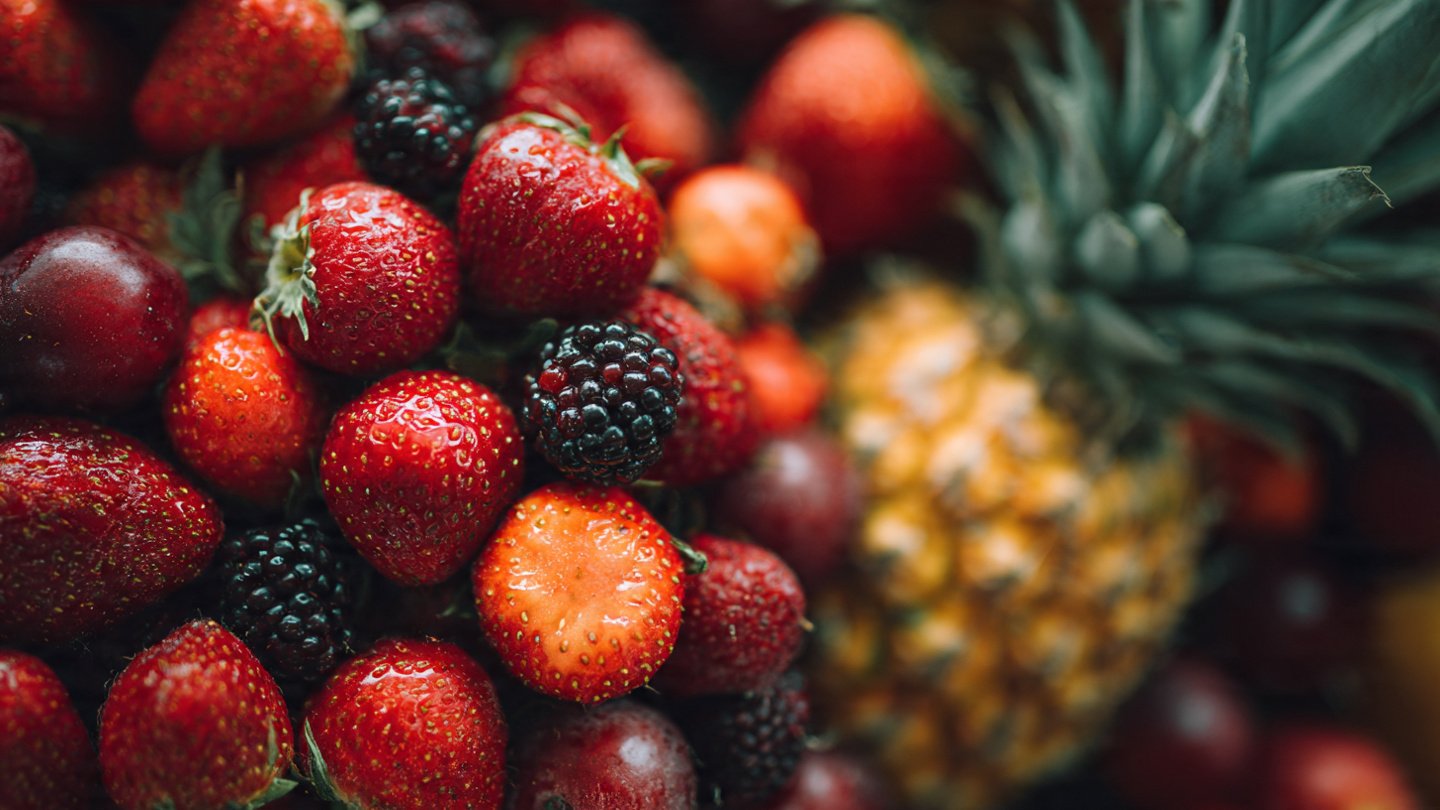
Fruits are nature’s sweetest offerings, packed with vitamins, minerals, and antioxidants. The vibrant colors, enticing aromas, and succulent tastes make them a favorite for health enthusiasts and casual snackers alike. Yet, have you ever noticed that the summer peaches or summer strawberries you buy at the supermarket often fall short in flavor compared to those handpicked from a farm? This discrepancy in taste is more common than you might think. In this article, we’ll explore why fruits can lose their flavor during transit and offer practical tips for preserving their best qualities.
The Science Behind Flavor Loss
1. Ethylene Production
Fruits produce ethylene gas, a natural plant hormone that regulates growth and ripening. While ethylene is essential for the ripening process, excessive exposure during transport can lead to premature maturation and spoilage. Fruits like bananas, apples, and avocados are particularly sensitive. If they are packed together during transit, they can produce ethylene to an extent that leads to uneven ripening, often resulting in loss of flavor and texture.
2. Temperature Changes
Temperature plays a crucial role in the preservation of fruit flavor. Many fruits are best stored at specific temperatures; a deviation can lead to accelerated ripening or spoilage. The cold chain—maintaining a constant, cool temperature from farm to consumer—is often disrupted during transit. Exposure to fluctuating temperatures can diminish flavor profiles, reduce shelf life, and produce a mealy texture in fruits like peaches or pears.
3. Dehydration
Fruits are composed primarily of water, and during transit, particularly in dry conditions, moisture loss can occur. This dehydration not only affects the fruit’s texture but also its flavor concentration. For example, a ripe fig that loses water during transportation can become dry and bland, ultimately losing the rich sweetness that characterizes it.
4. Mechanical Damage
Fruits are delicate and can be easily bruised or damaged during transport. Even slight bruising can initiate the decay process and lead to the breakdown of sugars, acids, and aromatic compounds responsible for flavor. Damage can also lead to microbial growth, further impacting the fruit’s quality.
5. Harvest Timing
The timing of harvest significantly affects flavor. Fruits that are harvested too early may not have had the chance to fully develop their taste profiles. Due to logistics, fruits are often picked before they are ripe to withstand the shipping journey. By the time they reach store shelves, they may lack the robust flavors that fully ripened fruit offers.
How to Preserve Fruit Flavor
Understanding the factors that contribute to flavor loss during transit can help us take steps to preserve fruit quality. Here are several strategies for enhancing and keeping fruit flavor intact:
1. Choose the Right Fruit
Select varieties known for their flavor. Some varieties are bred primarily for durability and shipping, while others are cultivated for rich taste. For instance, heirloom tomato varieties often outperform their commercial counterparts in flavor. Always opt for ripe, in-season fruits.
2. Proper Storage Conditions
Once you have your fruits, ensure you store them in optimal conditions. Most fruits thrive in a cool, dry place. Refrigeration may be necessary for climacteric fruits (like bananas, peaches, and avocados) once they are ripe. However, some fruits, like strawberries, benefit from being stored in the refrigerator immediately after purchase.
3. Minimize Ethylene Exposure
Store ethylene-sensitive fruits away from those that produce ethylene to prevent premature ripening. Using ethylene-absorbing products in your fridge or produce bins can also help slow down the ripening process.
4. Keeping Fruits Hydrated
To counteract dehydration, consider storing fruits in breathable bags that can help retain moisture. Placing a damp paper towel in a container with fruits can create a micro-environment that helps maintain humidity.
5. Handle with Care
To minimize mechanical damage, handle fruits lightly and avoid overloading containers. Using cushioned materials like bubble wrap or crumpled paper can protect delicate fruits from bruising during transport.
6. Look for Local Sources
Whenever possible, buy fruits from local farmers’ markets or directly from farms. Local fruits are often harvested at their peak ripeness, minimizing transit times and ensuring rich flavors. Supporting local agriculture not only benefits your palate but also contributes to sustainable farming practices.
7. Time Your Purchases
Understand the supply chain and how long fruits typically stay on the shelf. Visit local stores more often to get the freshest, most flavorful fruits available. If you buy in bulk, consume them first or prepare them in ways that retain their flavor, like preserving or freezing them.
8. Experiment with Ripeness
Sometimes, you may buy fruits that are under-ripe. Place them in a paper bag at room temperature to accelerate the ripening process. The trapped ethylene will help them reach optimal sweetness and flavor.
9. Preservation Techniques
If you have an abundance of fruit, consider preserving it. Canning, freezing, or making jams can capture the flavors of in-season fruits. Always ensure you use appropriate methods that maintain the nutritional integrity and flavor of the fruits.
10. Educate Yourself on Varietal Differences
Each fruit has numerous varieties that differ in flavor, texture, and sweetness. Educating yourself about these differences can help you choose better-tasting fruits. Try new varieties with unique flavors rather than sticking to the ones you’re familiar with.
Conclusion
The journey from tree to table is fraught with challenges that can compromise the flavor of fruits. Understanding the underlying reasons—ethanol production, temperature control, dehydration, mechanical damage, and timing of harvest—can empower consumers to make informed choices. By incorporating practical strategies to select, store, and preserve fruits, you can enhance their flavors and maximize your enjoyment.
Fruits are a delightful gift from nature, and with a bit of effort, you can ensure that every bite is bursting with the sweetness and complexity they were meant to offer. Whether you’re snacking, cooking, or preserving, your choices make a difference in experiencing the full range of flavors that fruit can provide. Happy eating!