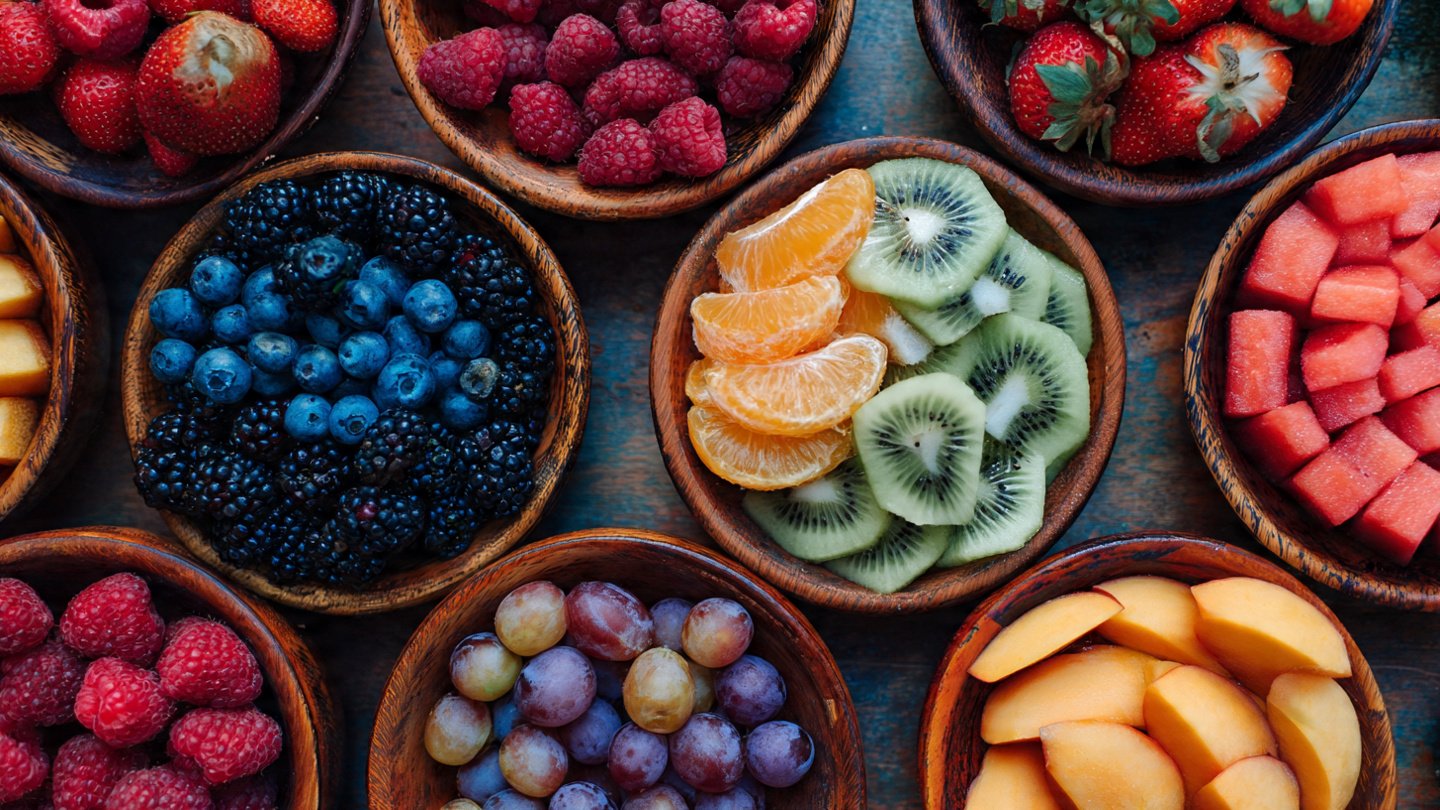
Fruits are a vital part of a healthy diet, packed with essential vitamins, minerals, and antioxidants that promote well-being. However, if you’ve ever noticed that fruits spoil more quickly when stored in crowded bowls, there’s scientific reasoning behind this phenomenon. In this article, we’ll explore how overcrowding fruits can expedite spoilage, delve into the mechanisms of fruit ripening and decay, and discuss ways to store fruits effectively for longevity.
The Science of Fruit Ripening
Fruits undergo a natural process called ripening, which transforms them from hard, inedible forms to soft, sweet conditions that are appealing and palatable. This process involves a combination of physiological, biochemical, and environmental factors. Key hormones, particularly ethylene, play a significant role in ripening.
Ethylene Production
Ethylene is a plant hormone that speeds up the ripening of fruits. Some fruits, like bananas and apples, produce ethylene gas in large quantities. When these fruits are stored together in a crowded bowl, the concentration of ethylene in the immediate environment increases. Higher ethylene concentrations accelerate the ripening process, which can lead to a quicker decay under certain conditions.
Implications of Ethylene Buildup
When fruits are piled on top of each other or in close quarters, they not only produce more ethylene but also restrict airflow. Limited airflow prevents ethylene from dissipating, causing it to linger around the fruits. Over time, this buildup can result in rapid oversaturation, leading to premature overripening and decay.
Physical Damage and Bruising
Crowding fruits in a bowl can result in physical damage. The weight and pressure of other fruits can bruise delicate skins, breaking down cell walls. This bruising not only makes the fruit aesthetically unpleasing but also creates an opening for bacteria and fungi to enter, leading to faster spoilage.
How Bruises Accelerate Spoilage
When the skin of the fruit is compromised, the internal tissues are exposed to microorganisms and air. This exposure triggers microbial activity, leading to accelerated decay. Similarly, the damaged areas release enzymes that contribute to spoilage, promoting an environment where fungi and bacteria thrive.
Moisture Levels and Humidity
Another critical factor in fruit spoilage is moisture. Crowded bowls can create a mini-ecosystem with elevated humidity levels. High humidity fosters a damp environment conducive to mold growth and bacterial proliferation.
The Role of Humidity in Spoilage
Certain fruits have high water content, which can hasten spoilage under humid conditions. The combination of moisture from the fruit and the humidity in the bowl can lead to condensation. This water accumulation creates a breeding ground for fungus and bacteria, which decompose the organic material rapidly.
Temperature Variability
Crowding fruits can also affect their temperature stability. In a crowded bowl, fruits may not cool or warm evenly, which can lead to spots where some fruits are cooler than others. Temperature fluctuations further exacerbate the ripening process and spoilage rates.
Ideal Storage Conditions
Most fruits are best stored at specific temperatures to slow down the ripening process. For example, certain fruits like berries should be kept in cooler conditions, whereas others like avocados may be fine at room temperature until they ripen. In a crowded bowl, this delicate balance is disrupted, making it difficult to maintain optimal storage conditions for various fruits.
Contamination Risks
When fruits are stacked or stored closely together, there is a higher risk of cross-contamination. Spoiled fruit can release ethylene, bacteria, or fungal spores that can affect neighboring fruits, leading to a faster spoilage cycle.
The Chain Reaction of Spoilage
If one piece of fruit in a crowded bowl begins to decay, it can quickly affect the others. Bacteria and mold can spread through contact or via the air. This creates a chain reaction where one spoiled fruit can lead to multiple others spoiling, exacerbating waste and compromising food quality.
Types of Fruits and Their Reactions to Crowding
Different fruits have varying responses to overcrowding based on their ripening characteristics and susceptibility to spoilage.
Climacteric vs. Non-Climacteric Fruits
Climacteric fruits, such as bananas, apples, and tomatoes, continue to ripen after they are picked. Their ripening is heavily influenced by ethylene production. These fruits are particularly vulnerable to overcrowding because of their ethylene sensitivity.
Conversely, non-climacteric fruits like strawberries and citrus do not continue to ripen after harvest. While they still produce ethylene, their spoilage is more influenced by physical damage and fungal growth.
Best Practices for Storing Fruits
To extend the shelf life of your fruits, consider implementing the following storage practices:
1. Spacing and Airflow
Rather than storing fruits in a crowded bowl, arrange them with space in between to promote airflow. This will help disperse ethylene gas and reduce humidity levels.
2. Separate Climacteric and Non-Climacteric Fruits
Store climacteric fruits away from non-climacteric fruits. This reduces the impact of ethylene on fruits that are less susceptible to ripening.
3. Use of Ventilated Containers
Opt for breathable containers or baskets that allow air circulation. Avoid airtight containers unless specifically designed for refrigeration.
4. Regular Inspection
Regularly check fruits for signs of spoilage. Promptly remove any decaying fruit to prevent it from affecting others.
5. Proper Refrigeration
Store certain fruits in the fridge if applicable (like berries), and keep others at room temperature until they ripen (like avocados). Understanding the storage needs of individual fruits can prolong their shelf life.
6. Washing and Drying
If you’ve purchased fruits that may have been exposed to contaminants, wash them and allow them to dry completely before storing them to minimize humidity.
Conclusion
Understanding the dynamics of fruit spoilage is crucial for anyone looking to maintain the freshness of their produce. By recognizing how overcrowding in bowls contributes to accelerated spoilage, along with its implications for ethylene production, moisture levels, temperature stability, and cross-contamination, you can make informed choices in fruit storage. Employing strategic storage techniques can minimize waste and ensure that your fruits remain delicious, vibrant, and full of nutrients for longer periods. Through proper care and attention, you can enjoy the true benefits of fruits without the frustration of premature spoilage.