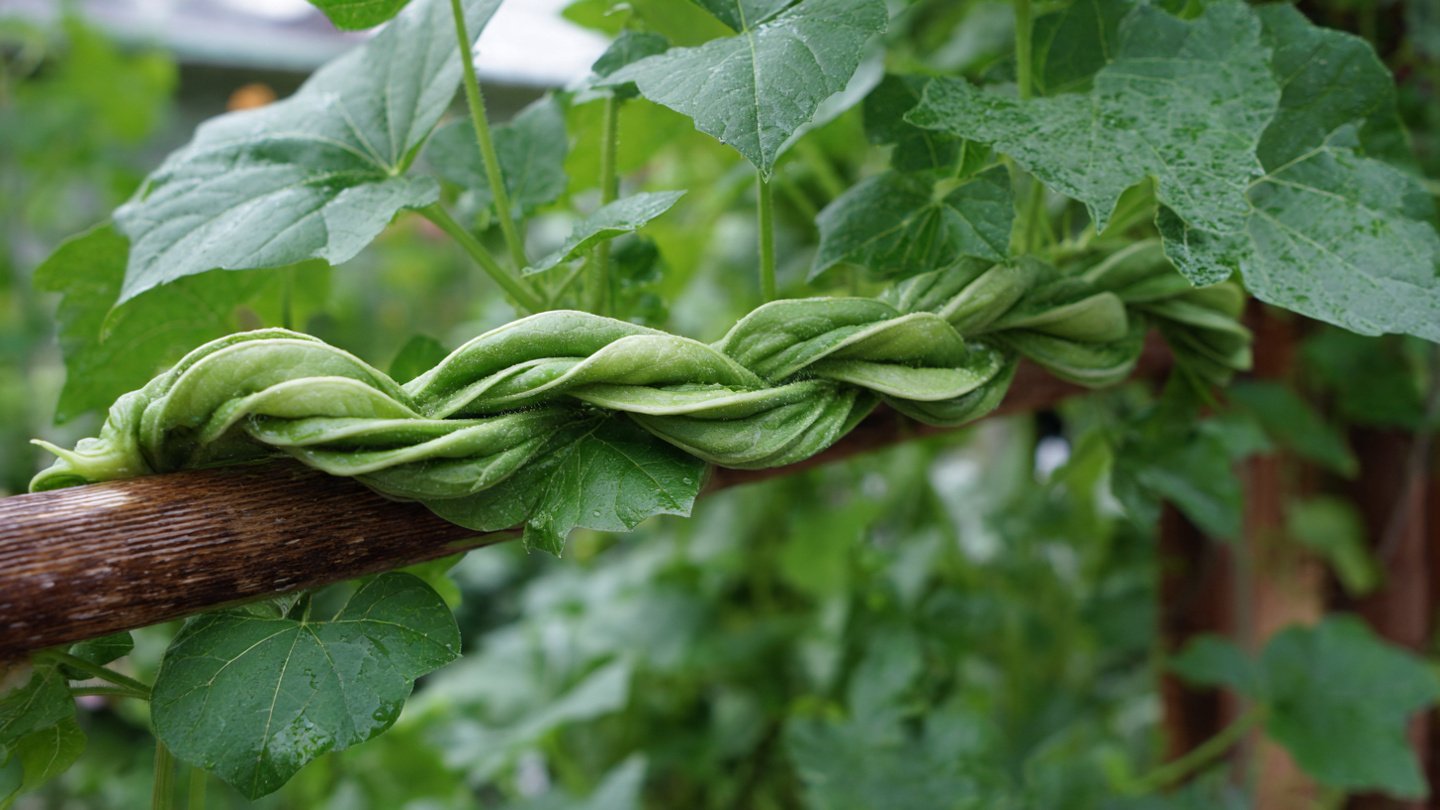
Gardening is a gratifying endeavor, particularly when it involves cultivating one’s own kitchen garden. Homegrown fruits and vegetables are fresher, healthier, and more flavorful than store-bought produce. However, gardeners often encounter various challenges, one of which is twisting growth in plants. Understanding the causes and remedies for this phenomenon can significantly improve the health and yield of your kitchen garden.
What is Twisting Growth?
Twisting growth in plants is characterized by unusual, spiral, or crooked growth patterns in stems and leaves. It can occur in various kitchen garden plants, such as tomatoes, cucumbers, and herbs. Twisted growth can manifest in various forms, including:
- Curling leaves
- Spiral growth in stems
- Distorted fruit shapes
These growth abnormalities can affect both the aesthetics and the productivity of your garden. Understanding the underlying causes of twisting growth can help gardeners take preventative measures and remedy existing problems.
Causes of Twisting Growth
1. Nutrient Deficiencies
Nutrient deficiencies often lead to twisted growth. Essential nutrients like nitrogen, potassium, and magnesium play a vital role in plant development. A lack of these nutrients can result in:
- Curling leaves: A deficiency in nitrogen may lead to yellowing and curling of older leaves.
- Stunted growth: Insufficient magnesium can hinder photosynthesis, resulting in twisted stems.
To combat nutrient deficiencies, conduct a soil test to identify any lacking minerals. Fertilizers or organic amendments can then be introduced to replenish nutrients.
2. Pest Infestations
Certain pests, such as aphids, spider mites, and thrips, can cause twisting growth by feeding on the sap of the plants. This feeding not only robs the plants of vital nutrients, but it also can lead to:
- Distorted leaves and stems: Damage from pests may inhibit normal growth patterns, resulting in twisting.
- Sap-borne illnesses: Some pests can also introduce diseases into the plant, complicating growth issues.
Regular inspections of your plants and employing natural pest control methods—like introducing beneficial insects or using insecticidal soap—can help mitigate this issue.
3. Environmental Stress
Environmental factors can significantly influence plant health. Extreme temperatures, insufficient light, or inconsistent watering can all lead to twisting growth. Considerations include:
- Temperature fluctuations: Sudden temperature changes can stress plants, leading to abnormal growth.
- Inconsistent watering schedules: Overwatering or underwatering can create root stress, which often results in twisting growth.
Implementing a consistent watering routine and providing adequate shade or protection from harsh weather can help plants thrive.
4. Virus Infections
Viral infections are a more severe cause of twisting growth. Viruses can disrupt a plant’s internal processes, leading to:
- Uncontrollable growth patterns: Infected plants may exhibit twisted stems, mottled leaves, or stunted growth.
- Reduced yield: Viral infections often lead to lower productivity, impacting your entire kitchen garden.
Preventive measures include crop rotation, using disease-resistant varieties, and eliminating infected plants promptly to prevent spreading.
5. Genetic Factors
Sometimes, twisting may be inherent in certain plant varieties due to genetic factors. These may include:
- Hybrid varieties: Some hybrids may exhibit unusual growth traits that are not desirable.
- Inbreeding depression: Overly inbred varieties may result in poor genetic health, leading to twisted growth.
Selecting healthy, robust varieties from reputable sources can help raise more resilient plants.
6. Physical Damage
Physical damage from wind, heavy rain, or improper handling can also cause twisting growth. For example, if a young seedling is bent or broken during transplanting, it may grow at an angle, leading to twisted growth. Preventing physical damage includes:
- Proper planting techniques: Use care when digging and transplanting seedlings.
- Staking young plants: Providing support during growth can help prevent twisting from external forces.
Managing Twisting Growth
1. Soil Management
Healthy soil is the foundation for healthy plants. Enhancing soil quality with organic matter, such as compost or well-rotted manure, can ensure a balanced nutrient profile. Regular soil tests can also help monitor pH and nutrient levels, allowing for targeted amendments.
2. Integrated Pest Management (IPM)
IPM involves using a combination of techniques to manage pests while minimizing environmental impact. This can include:
- Biological control: Introducing natural predators, such as ladybugs for aphids.
- Cultural practices: Maintaining cleanliness in and around the garden to reduce pest habitats.
- Chemical controls: Employing organic pesticides when necessary, ensuring they are safe for kitchen gardens.
3. Regular Monitoring
Regular observation of your plants is crucial in identifying any signs of twisting growth early. Keep an eye out for:
- Leaf discoloration or curling
- Unusual growth patterns
- Presence of pests or diseases
Immediate action can prevent a minor issue from escalating into a severe problem.
4. Watering Practices
Establishing a consistent watering schedule is key to plant health. Ensure that:
- Soil drainage is adequate: Avoid waterlogged conditions that suffocate roots.
- Plants receive deep watering: This encourages roots to grow deeply, enhancing stability and resistance to twisting.
5. Rotate Crops
Crop rotation is a vital strategy in managing soil health and controlling pests and diseases. By rotating families of plants, you can:
- Reduce pest populations: Many pests and diseases are specific to certain families of plants.
- Enhance soil nutrient availability: Different plants have varying nutrient needs, helping maintain soil balance.
6. Pruning and Training
Pruning can also help manage twisting growth. By removing damaged or excess foliage, you can:
- Redirect plant energy: Focus on healthy growth and productivity.
- Improve air circulation: Reducing humidity around the plants can help deter fungal diseases.
Training plants using stakes, trellises, or cages can also provide physical support, reducing the risk of twisting due to environmental factors.
Conclusion
Twisting growth in kitchen garden plants can be a challenging issue for gardeners, stemming from various causes such as nutrient deficiencies, pests, environmental stress, virus infections, genetic factors, and physical damage. Understanding these causes and implementing effective management practices—such as soil improvement, pest control, regular monitoring, consistent watering, crop rotation, and pruning—can significantly enhance the health and yield of your garden.
With the right knowledge and techniques, gardeners can cultivate a thriving kitchen garden filled with robust, productive plants. Embrace the journey of gardening, remain vigilant about plant health, and enjoy the delicious rewards of homegrown produce. Happy gardening!