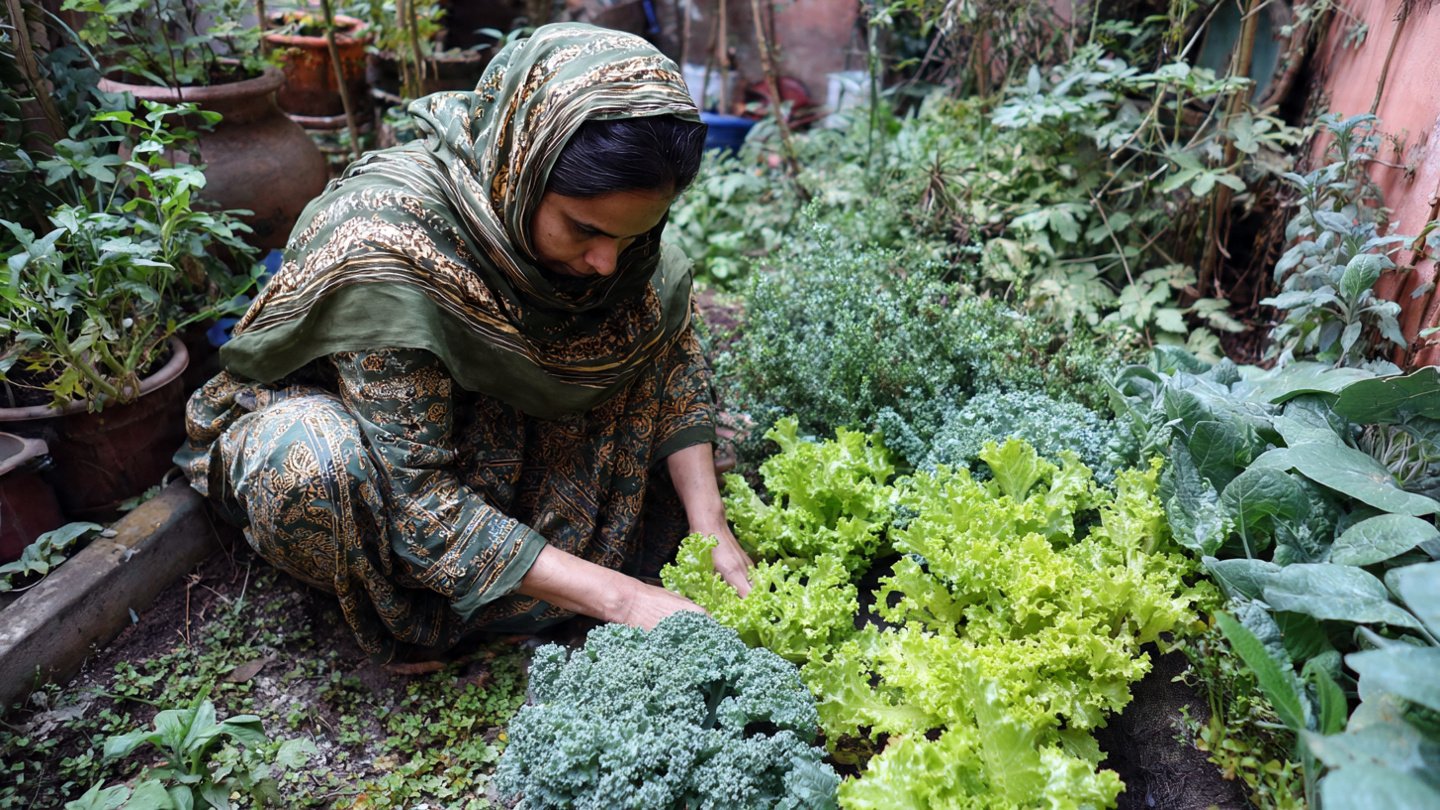
Kitchen gardens, which offer a sustainable way to source fresh herbs and vegetables, have gained popularity in recent years due to their health benefits and economic savings. However, many gardeners face challenges, including stunted growth of their plants. Understanding the unexpected factors contributing to this issue can help gardeners enhance their gardening success and harvest bountiful produce.
1. Soil Quality: The Foundation of Growth
Nutrient Deficiency
Soil is the foundation of any successful garden. Nutrient-rich soil is essential for promoting healthy plant development. Deficiencies in essential nutrients like nitrogen, phosphorus, and potassium can lead to stunted growth. Nitrogen is crucial for leaf development, while phosphorus promotes root and flower growth, and potassium facilitates overall plant health.
pH Levels
Soil pH plays a critical role in nutrient availability. Most vegetables thrive in a slightly acidic to neutral pH (6.0 to 7.0). If the soil is too acidic or alkaline, plants may struggle to absorb the nutrients they need, leading to poor growth. Regularly testing soil pH can help gardeners make informed adjustments using amendments like lime (for acidity) or sulfur (for alkalinity).
Compaction and Drainage
Soil compaction can restrict root growth and water drainage. When soil is compacted, it reduces the spaces that allow air and water to reach plant roots. This can lead to stunted growth. Loosening compacted soil through methods such as tilling or adding organic matter like compost can improve drainage and aeration.
2. Watering Practices: Quantity and Quality Matter
Overwatering
While plants need water to thrive, too much can be as harmful as too little. Overwatering can lead to root rot, making it difficult for plants to take up nutrients and ultimately stunting growth. Understanding the water needs of specific plants and developing a consistent watering schedule is crucial for maintaining healthy kitchen gardens.
Underwatering
Conversely, underwatering can also cause stunted growth. Plants deprived of adequate moisture cannot perform photosynthesis effectively, which is essential for growth. Monitoring the soil moisture level and adjusting watering frequency according to environmental conditions, such as temperature and humidity, is vital.
Water Quality
The quality of water used in kitchens gardens can also play a role in plant health. Tap water may contain chlorine or other chemicals that can hinder plant growth. Utilizing rainwater or filtered water can lead to better plant performance, especially for sensitive species.
3. Sunlight: The Energy Source
Insufficient Sunlight
Most vegetables and herbs require 6-8 hours of direct sunlight daily to grow optimally. If kitchen gardens are located in shaded areas or surrounded by taller plants or structures, stunted growth can occur due to insufficient energy to fuel photosynthesis. Assessing the sun exposure in your garden and relocating plants accordingly can dramatically improve growth.
Excessive Sunlight
Though rare, excessive sunlight can also lead to stunted growth. Some plants may experience leaf burn or dehydration, adversely affecting their growth. Utilizing shade cloths or strategically placing taller plants to offer partial shade can help mitigate this issue.
4. Pest and Disease Management: Protecting Your Plants
Pest Infestations
Pests like aphids, spider mites, and whiteflies can sap the vitality of plants, leading to reduced growth. These pests often feed on plant sap, weakening them over time. Regular inspections, maintaining plant health, and utilizing companion planting strategies can reduce pest problems significantly.
Diseases
Fungal, bacterial, and viral infections can decimate plants, leading to stunting. Common diseases like powdery mildew or blight can be exacerbated by humidity and poor air circulation. Ensuring good plant spacing, practicing crop rotation, and using disease-resistant varieties can decrease the likelihood of outbreaks.
5. Planting Practices: Timing and Techniques
Planting Depth
The depth at which seeds are planted can significantly affect their growth. Seeds planted too deep may struggle to break through the soil, while those sown too shallow may be exposed to unfavorable conditions. Understanding specific planting depth recommendations for various vegetables ensures optimal growth.
Timing
Planting at the wrong time can also lead to stunted growth. Cool-season crops like lettuce and spinach thrive in cooler temperatures, whereas warm-season crops like tomatoes and peppers require warmer soil. Using a planting calendar specific to your region can help ensure optimal growth conditions for your kitchen garden.
Plant Spacing
Crowded plants compete for resources such as nutrients, water, and light. Overcrowding can result in poor air circulation and increased vulnerability to diseases. Following spacing recommendations on seed packets or plant labels contributes to healthier, more productive plants.
6. Environmental Factors: The Impact of Climate
Temperature Variations
Extreme temperatures—whether hot or cold—can stall plant growth. Many vegetables have specific temperature ranges for optimal growth. Sudden frost can damage tender seedlings, while excessive heat can stress plants and lead to wilting. Using frost cloths in cooler weather or mulch to regulate soil temperature in hot conditions can help alleviate these issues.
Humidity Levels
Humidity can also play a pivotal role in plant health. High humidity can foster fungal diseases, while low humidity can cause swift water loss and dehydration. Utilizing proper ventilation, ensuring adequate spacing, and using humidity gauges can help manage these levels effectively.
7. Fertilization: Striking the Right Balance
Over-Fertilization
While fertilizers can boost plant growth, over-fertilization can burn roots and lead to stunted growth. Following recommended application rates and allowing for intermittent soil tests can help prevent excessive buildup of salts in the soil.
Under-Fertilization
Conversely, insufficient fertilization can lead to nutrient deficiencies. Organic amendments such as compost, fish emulsion, and well-rotted manure can provide slow-release nutrients that enhance growth without the risk of burning roots.
Conclusion: A Holistic Approach to Healthy Growth
Uncovering the surprising factors behind stunted growth in kitchen gardens reveals a complex interplay of elements that gardeners must navigate to ensure their plants thrive. Evaluating soil quality, optimizing watering practices, ensuring sufficient sunlight, managing pests and diseases, and timing planting correctly all contribute significantly to the success of a kitchen garden.
By remaining vigilant and informed about these various factors, gardeners can cultivate a flourishing kitchen garden filled with healthy plants that yield abundant produce. A proactive approach, combined with a willingness to learn and adapt, can transform any kitchen garden into a thriving source of fresh, nutritious food. Happy gardening!