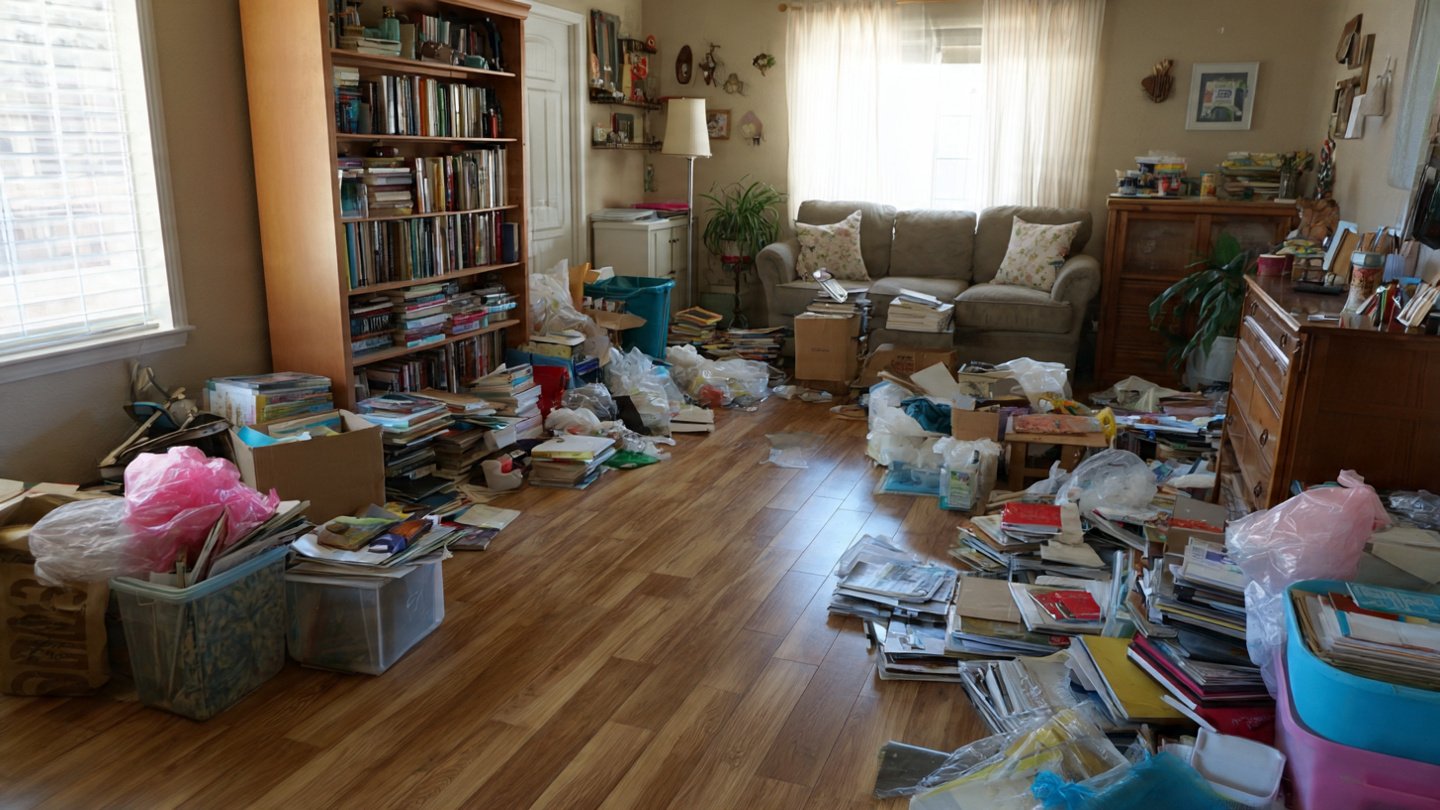
Clutter is often perceived as an unavoidable part of daily life. Whether it’s stacks of magazines, unused kitchen appliances, or simply a collection of items that no longer serve a purpose, clutter can accumulate over time and impede our ability to maintain a clean and organized environment. However, decluttering can significantly enhance our cleaning efforts, resulting in a faster and more efficient process. In this article, we explore how eliminating unnecessary items accelerates cleaning speed and promotes a more harmonious living space.
The Impact of Clutter on Cleaning Efficiency
Before delving into the benefits of decluttering, it’s essential to understand the drawbacks of clutter. A cluttered environment can lead to:
- Decreased Productivity: The presence of excessive items can distract us, making it challenging to focus on the task at hand.
- Increased Stress: Clutter can create feelings of overwhelm and anxiety, making it less likely for individuals to tackle cleaning chores.
- Time Consumption: Cleaning around or under cluttered areas takes significantly longer, which can lead to frustration.
- Safety Hazards: Clutter can contribute to accidents, making spaces dangerous, especially if items are not stored properly.
How Decluttering Enhances Cleaning Speed
Now that we have established the negative effects of clutter, let’s explore how decluttering can speed up cleaning:
1. Clearer Space Equals Quicker Clean-Up
When a space is clear of unnecessary items, it is easier to access surfaces, floors, and corners that need cleaning. You can quickly wipe down counters, vacuum floors, and dust surfaces without having to constantly move items around.
2. Efficient Planning and Organization
Decluttering allows you to create a designated space for each item, simplifying the cleaning process. When everything has its place, putting things away becomes a more systematic and quick task:
- Less Decision Fatigue: Knowing where items belong reduces the time spent deciding where to put things back.
- Streamlined Processes: You can develop a cleaning routine that is efficient, focusing only on essential tasks.
3. Minimizing Distractions
Clutter can easily divert your attention and stall your cleaning efforts. By getting rid of unnecessary items, the cleaning process becomes less overwhelming and allows you to stay focused, which naturally increases your productivity.
4. Enhanced Motivation and Mood
Decluttering not only clears physical space but also helps to elevate mental clarity. A clean and organized space often motivates people to maintain cleanliness. Fostering a pleasant environment can lead to a more positive attitude toward cleaning:
- A Sense of Accomplishment: The act of decluttering can provide instant gratification, inspiring continued effort in cleaning.
- Aesthetically Pleasing Environment: A tidy space is more visually appealing, making you want to keep it clean.
5. Easier Access to Cleaning Supplies
Decluttering your home helps ensure that you can easily find cleaning supplies such as mops, brooms, and cleaning products. When these items are easily accessible, you are less likely to procrastinate cleaning tasks.
Strategies for Effective Decluttering
To reap the benefits of decluttering, you must approach the task methodically. Here are some effective strategies:
1. The Four-Box Method
In this method, designate four boxes labeled: Keep, Donate, Trash, and Relocate. As you go through your items, decide which category each item fits into:
- Keep: Items you use regularly.
- Donate: Items that are still usable but no longer serve you.
- Trash: Broken items or those that cannot be repaired.
- Relocate: Items that belong in another room.
2. Set a Timer
Dedicate a specific amount of time to decluttering, such as 20 or 30 minutes. Focus on a specific area, and when the timer goes off, take a break or celebrate your progress. This approach can help make decluttering feel less daunting.
3. The “One In, One Out” Rule
To prevent clutter from building up again, adopt the “one in, one out” rule. Whenever you acquire a new item, commit to disposing of or donating an existing item.
4. Regular Review Sessions
Make decluttering a regular part of your cleaning routine. Schedule quarterly or biannual reviews of your belongings to reassess what you need and what can be let go.
Conclusion
Decluttering is more than just a method of organizing your belongings; it is a powerful strategy that enhances your cleaning efficiency. By eliminating unnecessary items, you create a cleaner, more inviting space, allowing your cleaning efforts to be more effective and faster. The emotional and psychological benefits of decluttering can also promote a more positive attitude toward maintaining your environment, making it easier for you to keep your space clean in the long run.
In today’s fast-paced world, creating a harmonious home environment is essential. By investing time in decluttering, you not only achieve a cleaner space but also set the stage for a more organized and stress-free life. Start small, embrace the process, and enjoy the transformation that decluttering can bring to your living space.
FAQs
1. How often should I declutter my home?
It’s recommended to declutter at least twice a year, but if you notice clutter building up, don’t hesitate to declutter more frequently.
2. What should I do with items I want to donate?
Research local charities or organizations that accept donations. Many charity shops or shelters are always in need of usable items.
3. Can decluttering help reduce allergies?
Yes, reducing clutter can minimize dust accumulation and improve air quality in your home, contributing to lower allergy symptoms.
4. What if I feel emotionally attached to my items?
Acknowledge your feelings and consider taking photos of items before letting them go. This way, you can keep the memory without the physical clutter.
5. Is it better to declutter alone or with someone else?
It depends on your comfort level! Some people find it easier with a friend or family member for support and motivation, while others prefer to tackle it alone.