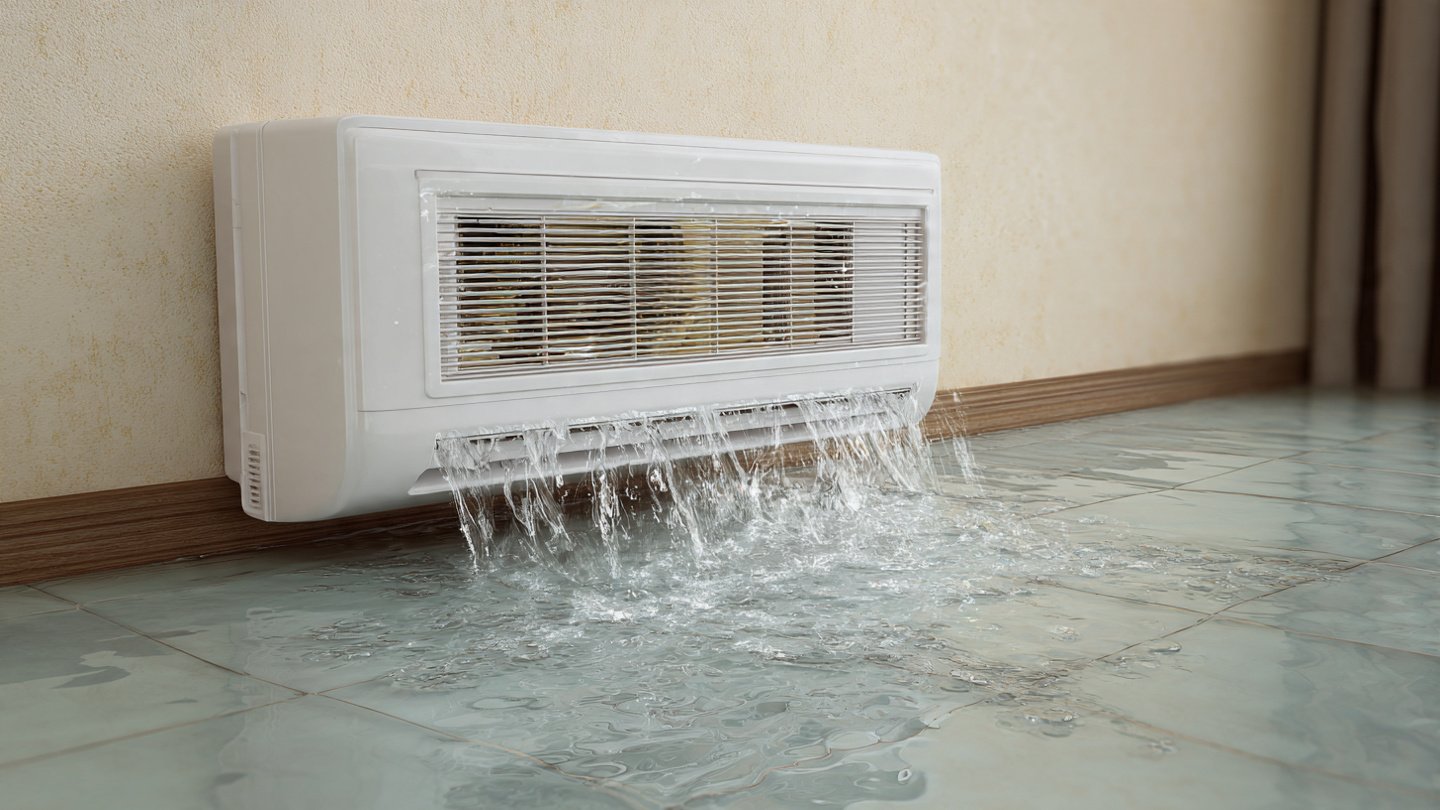
Air conditioning units play a crucial role in maintaining indoor comfort, especially during hot and humid months. However, when these systems malfunction, one of the most common issues homeowners face is water leakage indoors. A leaking air conditioner can lead to significant damage if not addressed promptly, making it important to understand the causes behind this problem. This article will discuss common reasons for air conditioner water leaks indoors and how to prevent them.
1. Clogged Drain Line
Overview
One of the primary reasons for indoor water leaks from air conditioning systems is a clogged drain line. The drain line is responsible for removing condensation that builds up during the cooling process. When this line becomes clogged with dirt, mold, or algae, water backs up and can leak into your home.
Causes of Clogs
- Debris Accumulation: Leaves, dirt, and dust can obstruct the drainage.
- Algae Growth: Warm, moist conditions are perfect for algae growth inside the drain line.
- Fungal Growth: Similar to algae, fungi can thrive in a damp environment, causing obstructions.
Prevention
To prevent clogs, regularly inspect and clean the drain line. Use a wet/dry vacuum to remove debris or a mixture of vinegar and water to clean the inside.
2. Damaged or Displaced Drain Pan
Overview
Every air conditioning unit has a drain pan that collects condensation from the cooling coils. If this drain pan becomes damaged or displaced, it may not catch the water correctly, leading to leaks.
Causes of Damage
- Corrosion: Metal pans can rust over time, creating holes.
- Misshapen Pans: Improper installation can cause the pan to be misaligned, leading to spillage.
Prevention
Check the drain pan regularly for signs of corrosion or misalignment. If you notice any damage, it is best to replace the pan to avoid leaks.
3. Low Refrigerant Levels
Overview
Low refrigerant levels can lead to inefficient cooling, which may cause the evaporator coil to freeze. When this coil thaws, it can lead to excessive condensation that the drain pan cannot handle.
Causes of Low Refrigerant
- Leaks: A refrigerant leak due to wear and tear or poor installation.
- Improper Charging: If the unit was not filled to the correct level during installation.
Prevention
Regular maintenance checks by a qualified technician can help identify and resolve refrigerant issues before they lead to leaks. Ensure that your unit is charged to the manufacturer’s specifications.
4. Dirty Air Filters
Overview
Air filters play a critical role in maintaining airflow in your air conditioning system. When they become dirty and clogged, airflow is restricted, causing the evaporator coil to freeze. The buildup of ice can eventually lead to water leaks.
Impact of Dirty Filters
- Reduced Efficiency: Clogged filters force the system to work harder, increasing wear and tear.
- Component Overload: Reduced airflow can strain other components, potentially causing malfunctions.
Prevention
To prevent leaks due to dirty filters, homeowners should check and replace filters at least every three months, or monthly during peak usage seasons.
5. Faulty Installation
Overview
Poor installation of an air conditioning unit can lead to various issues, including water leaks. If the unit is not level or if it is incorrectly mounted, drainage can be compromised, leading to water pooling and leaks indoors.
Common Installation Issues
- Unit Placement: An air conditioner that is not level will not drain properly.
- Improper Ductwork: If ductwork is not set up correctly, it can lead to condensation issues.
Prevention
Always have your air conditioning unit installed by a certified professional. Ensure that the technician checks for proper leveling and appropriate ductwork installation.
6. Broken Condensate Pump
Overview
In some systems, particularly those installed in basements or areas without gravity drainage, a condensate pump is used to remove excess water. If this pump malfunctions, water can build up and leak indoors.
Signs of a Faulty Pump
- Noisy Operation: A failing pump may make unusual noises.
- Poor Water Removal: If the pump fails to remove water efficiently, it can lead to leaks.
Prevention
Regular maintenance of the condensate pump is essential. Check for proper operation and clean it of any debris that may obstruct its functioning.
7. Environmental Factors
Overview
Sometimes, environmental factors can contribute to indoor water leaks. High humidity or heavy rain may lead to condensation levels that exceed what the air conditioning unit can handle.
Impact of Humidity
- Increased Condensation: High humidity can lead to excessive moisture that overwhelms the drain pan.
- Effects of Weather: In heavy rain, water can backflow into the drainage system, leading to leaks.
Prevention
Consider using a dehumidifier in conjunction with your air conditioning system, especially during humid summer months. This can help limit the amount of moisture in the air, easing the burden on the AC unit.
8. Aging Equipment
Overview
Older air conditioning systems are more prone to mechanical failures, including those that lead to water leaks. As parts wear down, the likelihood of issues such as clogs, broken drain pans, or inefficient operation increases.
Common Issues in Aging Systems
- Degraded Components: Seals and gaskets may wear out, leading to leaks around joints.
- General Wear and Tear: Over many years, parts can become less effective, leading to various systemic issues.
Prevention
Regular service checks can extend the lifespan of your air conditioning unit. If leaks become a recurring issue and the system is old, consider evaluating the feasibility of upgrading to a more efficient model.
9. Humidity Control Issues
Overview
Controlling indoor humidity is crucial for preventing water leaks from air conditioning systems. If humidity levels are not kept in check, excessive moisture can result in condensation that goes beyond the system’s handling capability.
Consequences of Poor Humidity Control
- Surface Condensation: High humidity levels can lead to condensation on surfaces within the home.
- Increased AC Load: The air conditioner must work harder, leading to system strain and potential leaks.
Prevention
Invest in a humidity monitor and keep indoor humidity levels between 30-50%. Regularly clean and maintain the AC unit for best performance.
Conclusion
Water leaks from air conditioning units can lead to extensive damage if not properly addressed. By understanding the common reasons behind these leaks, homeowners can take proactive measures to prevent them. Regular maintenance, timely repairs, and attention to environmental factors are crucial for ensuring that your air conditioning unit functions optimally and efficiently. If problems persist, consulting with a professional HVAC technician is advisable to ensure prompt and effective solutions. With the right precautions, you can enjoy a comfortable and leak-free indoor environment throughout the cooling season.