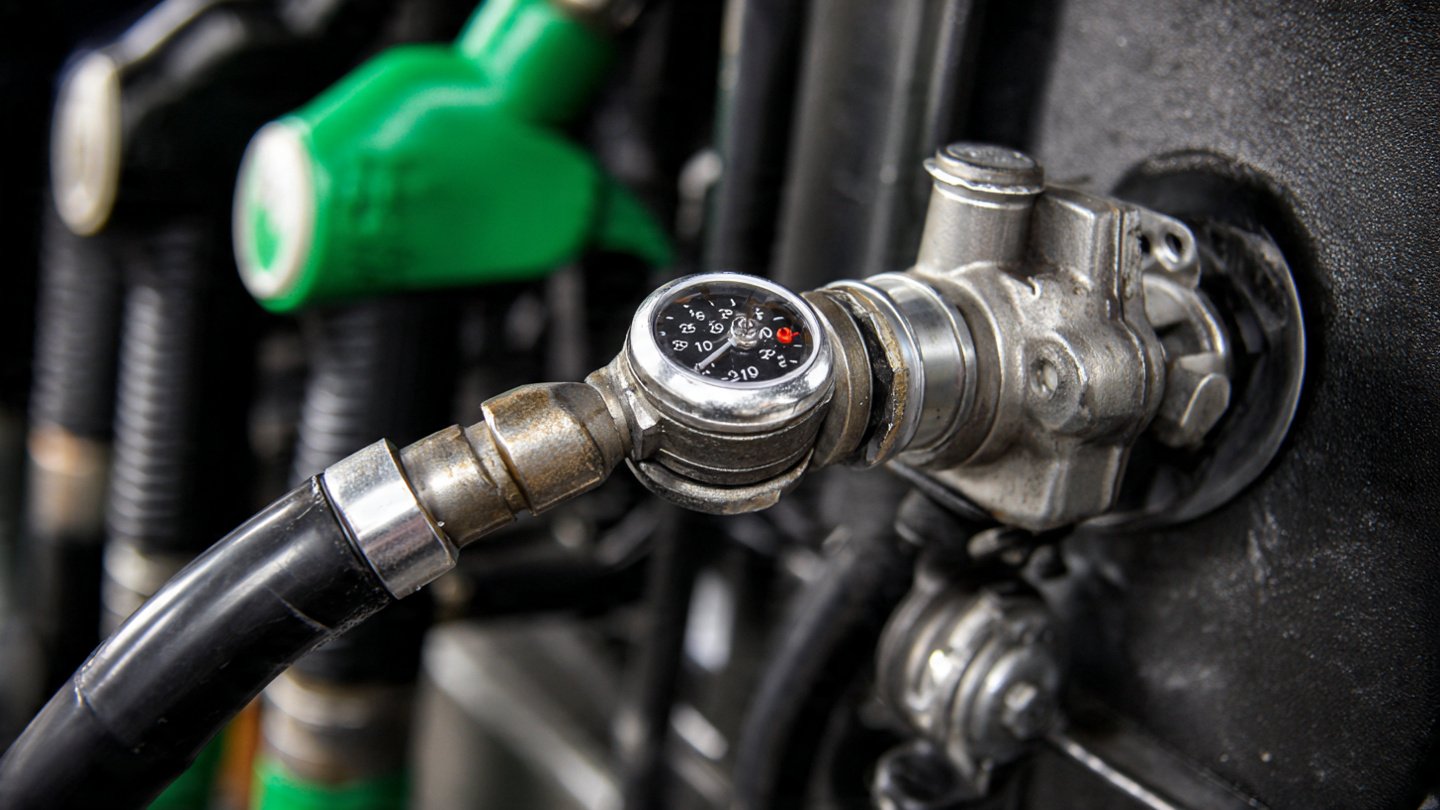
Car fuel pumps are crucial components of modern vehicles, responsible for delivering fuel from the tank to the engine. A failing fuel pump can lead to a myriad of problems, including poor engine performance, stalling, and even complete breakdowns. Understanding the common causes of early fuel pump failure can help car owners take preventive measures, saving time, money, and frustration. This article explores the key factors contributing to fuel pump failures and offers insights for better vehicle maintenance.
1. Fuel Contamination
One of the most common causes of fuel pump failure is contamination within the fuel itself. Impurities such as dirt, rust, and water can enter the fuel system, leading to serious operational issues.
Sources of Contamination
- Poor-Quality Fuel: Fuel from unreliable sources may contain contaminants that can affect the fuel pump’s efficiency.
- Corroded Fuel Tank: Over time, fuel tanks can rust, releasing particles into the fuel.
- Water Contamination: Water can enter the tank through condensation, causing corrosion and damage to the fuel pump.
Effects of Contamination
Contaminated fuel can lead to a number of problems including clogging filters, causing the pump to work harder and eventually fail. Regularly changing fuel filters and ensuring quality fuel can mitigate these risks.
2. Overheating
Fuel pumps are typically designed to operate under certain temperature limits. Overheating can severely compromise a pump’s functionality and longevity.
Causes of Overheating
- Low Fuel Levels: Fuel pumps are often submerged in fuel, which helps cool them. Running on low fuel can lead to overheating since there is less fuel to absorb the heat.
- Improper Ventilation: Fuel pumps require adequate airflow to dissipate heat. A poorly ventilated fuel system can cause temperatures to rise dangerously.
- Electrical Issues: Faulty wiring or short circuits can increase resistance, generating excess heat during operation.
Preventative Measures
Keeping the fuel tank above a quarter full can help ensure the pump remains submerged in fuel, providing the necessary cooling. Regular checks on the electrical system can catch potential issues before they exacerbate.
3. Electrical Failures
The fuel pump relies on electrical components to function properly. Malfunctions in these components can lead to premature fuel pump failure.
Types of Electrical Issues
- Voltage Fluctuations: Poor battery health, faulty wiring, or even alternator problems can cause inconsistent voltage delivery to the pump.
- Poor Ground Connections: Inadequate ground connections can lead to increased resistance, resulting in pump failure due to overheating.
- Failing Relays and Fuses: A faulty relay can prevent the pump from receiving power, leading to operational issues.
Mitigation Strategies
Regular maintenance on the car’s electrical system, including battery checks and ensuring clean and tight connections, can mitigate electrical issues. Additionally, replacing relays and fuses as needed can prolong fuel pump lifespan.
4. Pump Design Flaws
While this may not be as prevalent, design flaws in the fuel pump itself can lead to early failures. Manufacturers sometimes overlook specific stress points or materials that can compromise pump integrity.
Characteristics of Poor Designs
- Inadequate Material Use: If the pump is constructed from low-grade materials, it may not withstand the pressures and temperatures typical during operation.
- Substandard Seals: Poor seal designs can lead to leaks, causing a drop in fuel pressure and pump efficiency.
When to Consider Replacement
If your car experiences repeated fuel pump failures and you’ve ensured proper maintenance, consider seeking a replacement from a reputable manufacturer. Aftermarket parts can sometimes lack the quality of original equipment (OE) parts, so it’s essential to choose wisely.
5. Physical Damage
Fuel pumps are subject to wear and tear depending on driving conditions. Physical damage can come from road debris, poor installation, or a lack of regular maintenance.
Types of Physical Damage
- Impact Damage: Rocks and debris can strike exposed pumps, causing dents and structural failure.
- Debris in the Tank: Sediment and dirt buildup can result in clogging, forcing the pump to work harder than intended.
- Vibration Damage: Excess vibrations from engine components can loosen fittings and damage pump mounts.
Preventative Actions
Perform regular inspections of the fuel system and monitoring for unusual noises can provide early warning signs of physical damage. Whenever performing maintenance or repairs, ensure that components are securely fastened to minimize vibrations.
6. Lack of Maintenance
Many car owners neglect routine maintenance, which can lead to early fuel pump failure. This includes ignoring oil changes, filter replacements, and fuel system cleaning.
Consequences of Neglected Maintenance
- Clogged Filters: Fuel filters should be replaced as per manufacturer recommendations to ensure the pump isn’t working to push fuel through a blocked pathway.
- Neglected Fuel System: A dirty fuel system can lead to excessive wear on the pump. Regular cleaning can extend pump life significantly.
Best Practices for Maintenance
Following the manufacturer’s service recommendations is key. Establishing a regular schedule for inspections and maintenance can help identify and rectify issues before they lead to pump failure.
7. Operating Conditions
The conditions under which a vehicle is driven can significantly affect the lifespan of a fuel pump.
Environmental Factors
- Extreme Temperatures: Cold weather can make fuel thicker, resulting in strain on the pump. Conversely, excessive heat can lead to overheating issues.
- Heavy Loads: Consistently driving with heavy cargo can put additional strain on the entire fuel system, including the pump.
- Stop-and-Go Traffic: Frequent stopping and starting generates higher demands on the fuel pump and increases operational wear.
Strategic Driving Adjustments
Whenever possible, avoid heavy loads and extreme driving conditions that could strain the fuel pump. Additionally, utilizing recommended driving techniques can relieve pressure on the fuel system.
8. Improper Installation
An improperly installed fuel pump can lead to failures shortly after installation. This is particularly common in aftermarket applications.
Installation Issues to Watch For
- Poor Alignment: Ensuring that the pump aligns properly with the fuel system is crucial for optimal performance.
- Inadequate Sealing: Missing or improperly fitted seals can lead to leaks, loss of pressure, or contamination.
- Wrong Parts: Using incompatible or substandard parts increases the risk of failure.
Importance of Professional Installation
If you’re unfamiliar with automotive maintenance, it’s wise to have a professional install the fuel pump. This not only ensures proper fitment but also eliminates many of the issues caused by DIY installations.
9. Age and Wear
Like any mechanical component, fuel pumps have a lifespan. Over time, natural wear and tear can lead to their eventual failure.
Signs of Aging
- Increased Noise: A loud or whining pump can indicate physical wear.
- Performance Issues: Decreased fuel efficiency, stalling, and loss of power can all suggest the fuel pump is nearing the end of its life.
- Frequent Pump Failures: If a car experiences multiple pump failures in a short period, it may indicate that the fuel system as a whole is aging and requires comprehensive review.
Lifecycle Awareness
Understanding the typical lifespan of your vehicle’s fuel pump (often around 100,000 miles) helps in planning for replacement and maintenance.
Conclusion
Understanding the common causes of early fuel pump failure equips car owners with the knowledge to mitigate risks effectively. By recognizing signs of potential issues and adhering to regular maintenance schedules, drivers can significantly extend the life of their fuel pumps and ensure optimal vehicle performance. Fuel systems, while often overlooked, play a pivotal role in a car’s overall functionality and should be treated with the care they deserve. Taking proactive measures can prevent the costly implications of fuel pump failure, allowing you to enjoy a smoother driving experience.