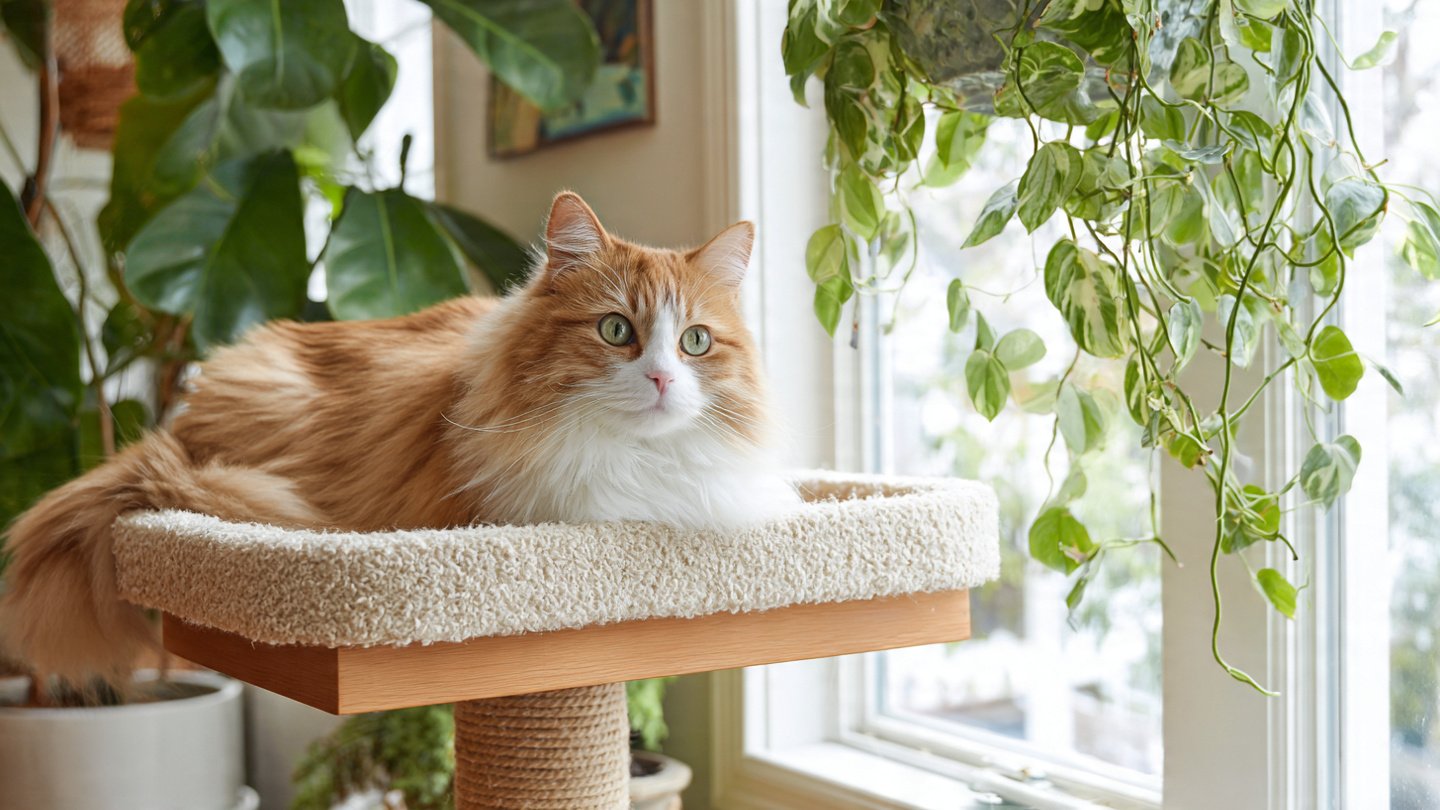
Pets, like cats and dogs, often exhibit intriguing behaviors that reflect their instincts and needs. One such behavior observed in many pets, particularly cats and small dogs, is the preference for elevated spaces. From perching on shelves to claiming the top of the sofa, elevated spots seem to offer pets a sense of safety and comfort that is worth examining. This article explores the psychological, environmental, and evolutionary factors that contribute to this behavior.
The Instinctual Basis of Elevation Seeking
Elevated spaces serve not merely as vantage points; they resonate with deep-rooted instincts shaped over thousands of years. Pets, especially felines, are natural hunters that evolved in environments where elevation provided significant advantages. High vantage points enabled them to scout for potential prey while avoiding threats.
1. Predator vs. Prey Dynamics
For many pets, the instincts of predator and prey continue to inform their behavior. Animals like cats and some small dogs benefit from being elevated in several important ways:
- Safety: Elevation offers a sense of security. From a higher vantage point, pets can observe their surroundings and detect potential threats before they become immediate risks.
- Evading Predators: In the wild, smaller animals often turn to trees or elevated rocks to escape predators. This behavior carries over to domestic life, where the same instincts prompt pets to seek out elevated spaces for a quick escape.
2. Environmental Enrichment
Elevated spaces also provide mental stimulation for pets. Interactive environments, where pets can explore various levels, offer physical and psychological benefits. This is particularly important for indoor pets that lack the stimulation of a natural landscape.
- Exploration Opportunities: Higher surfaces extend a pet’s territory, allowing them to investigate new areas and navigate their environment from a safer perspective.
- Enhanced Curiosity: Elevation invites play, exploration, and a broader connection to the living space, satisfying a pet’s natural curiosity.
The Psychological Comfort of Elevation
Beyond instinct, elevated spaces provide psychological benefits that enhance a pet’s sense of well-being.
1. Territorial Behavior
Pets often express territorial instincts, marking their space and asserting control over their environment. When pets utilize elevated spots, they reinforce their dominion in the household.
- Claiming Territory: An elevated area becomes a personal domain for a pet, much like a throne. The act of jumping up serves as a declaration of ownership, which can alleviate anxiety and enhance self-confidence.
- Visual Control: The sense of control afforded by an elevated position offers psychological security, affirming their role within the home.
2. Stress Reduction
Elevated spaces can also act as safe havens for pets experiencing stress or anxiety. This can be particularly crucial in busy households or homes with multiple pets.
- Hiding and Retreating: Elevated areas often provide a sense of privacy. Pets suffering from anxiety may retreat to high spots where they feel less exposed to human activity.
- Calm Environment: High spots often attract less foot traffic, allowing pets to rest undisturbed. This calm can significantly reduce stress levels.
Practical Implications of Elevated Spaces
Understanding why pets gravitate towards elevated spaces can guide pet owners in creating more comfortable living environments. Here are some practical suggestions to accommodate this need:
1. Incorporating Cat Trees and Shelves
For cat owners, investing in cat trees and shelves can be beneficial. These structures offer a variety of elevated spaces where cats can climb, perch, and explore.
- Multi-Level Cat Trees: Cat trees with multiple platforms can cater to playful instincts while providing a safe retreat.
- Wall-Mounted Shelves: Such arrangements free up floor space while granting cats high perches, stimulating their desire to climb.
2. Reorganizing Furniture
Dog owners can also create elevated experiences through thoughtful furniture arrangement. Sofas and chairs can act as platforms that allow smaller dog breeds to survey their territory.
- Strategic Placement: Arranging furniture to create pathways or jump-off points can help pets feel more connected to their environment.
- Safe Landing Zones: Ensure that any elevated spots pets access have safe landing areas to prevent injury.
3. Providing Safe Access
Ensuring pets can reach elevated spaces safely is essential. Consider the following steps:
- Pet Ladders and Stools: Provide small ladders or stools that offer access to higher regions safely.
- Non-Slip Surfaces: Use fabrics or materials that allow pets to grip easily to prevent slipping and falling.
Case Studies: Observing Pets in Elevated Spaces
1. Feline Behavior in Urban Environments
Studies have shown that cats living in apartments often seek out vertical space, leading researchers to conclude that this behavior significantly impacts their emotional health. Cats provided with ample vertical options—like cat trees and shelves—display reduced signs of anxiety and aggression.
2. Small Dog Adoption Trends
Another analysis focusing on small dog breeds revealed that they often prefer elevated spots, particularly those that mimic their natural inclination to seek safety. Dogs given the chance to access higher surfaces displayed fewer signs of fear and an overall improved mood, underscoring the importance of vertical space in fostering a comfortable home environment.
Understanding Individual Preferences
While general trends exist, it’s important to recognize that individual pets may have unique preferences. Factors such as breed, age, and personality can influence their inclination towards elevated spaces:
-
Breed Characteristics: Certain breeds may have stronger climbing instincts. For example, cats like the Abyssinian and Siamese exhibit heightened climbing tendencies.
-
Age Considerations: Senior pets may avoid elevation due to mobility issues, highlighting the need for accessible spaces tailored to their needs.
-
Personality Traits: Just like humans, pets exhibit diverse personalities. Individual variations will affect each pet’s comfort level with elevation.
The Vertical World
Elevated spaces aren’t just a whimsical preference for pets; they resonate with comfort, safety, and instinctual behavior. As pet owners, understanding these dimensions can enhance our relationships with our furry companions.
1. Nurturing Their Nature
By creating an environment that respects and promotes these natural behaviors, we provide our pets with a sense of comfort and well-being.
- Encouraging Safe Exploration: Provide safe and engaging high spaces that allow pets to explore freely.
- Offer Comfort Zones: Create cozy nooks or beds in elevated spaces where pets can rest peacefully.
2. A Holistic Approach
Adopting a holistic perspective on our pets’ needs establishes better living conditions that align with their instincts. This approach includes considering the lighting, temperature, and noise levels in elevated areas to make them as inviting as possible.
Conclusion
In summation, the preference for elevated spaces among pets is an intersection of evolutionary instincts, psychological comfort, and environmental enrichment. By appreciating these factors and responding to them, we can create enriching environments that cater to our pets’ natural tendencies for security and exploration. Nurturing the inclination towards elevation not only enhances their comfort and safety but also strengthens the bond between pets and their owners, leading to happier and healthier lives for both.