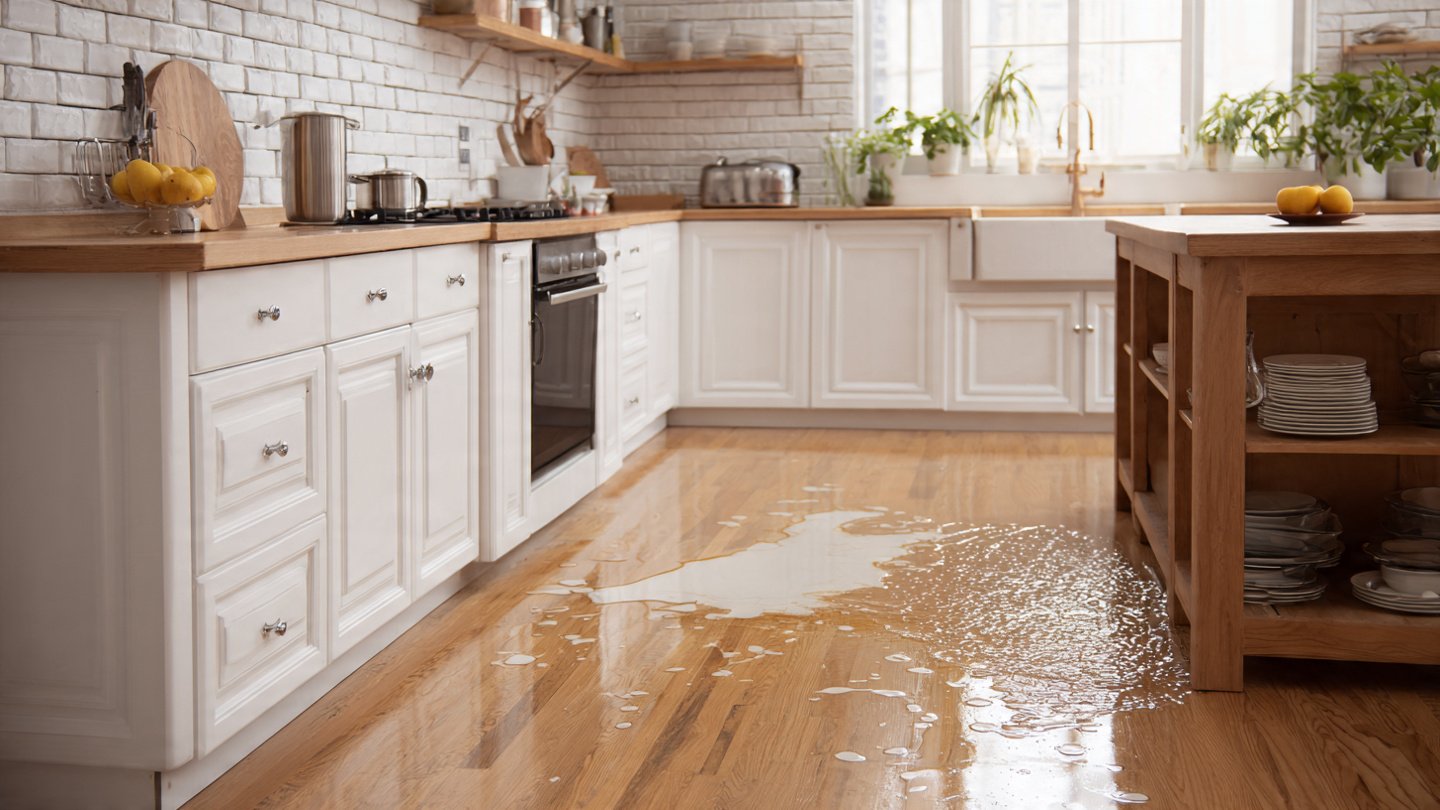
Kitchens are bustling hubs of activity, serving as the heart of many households. However, with all that cooking and baking, spills are nearly inevitable. Whether it’s a splash of milk that cascades off the countertop or a pot of sauce that bubbles over, kitchen spills can spread quickly, causing frustration and mess. Understanding the science behind why spills spread and exploring effective prevention strategies can make a significant difference in maintaining a clean kitchen.
The Science Behind Spills
To understand why kitchen spills spread so quickly, we must consider several scientific principles including fluid dynamics, surface tension, and gravity.
Fluid Dynamics
Fluid dynamics is the study of the motion of fluids (liquids and gases) and the forces acting upon them. When a liquid spills, it is under the influence of several forces that affect how it moves:
- Gravity: The primary force causing a liquid to spread on a surface is gravity. When a liquid is spilled, gravity pulls it downward, leading to a spreading effect.
- Viscosity: This is the measure of a fluid’s resistance to flow. More viscous fluids (like honey) will spread more slowly than less viscous fluids (like water) due to internal friction. Understanding the viscosity of common kitchen liquids can help predict how fast and far spills might spread.
- Surface tension: This is the elastic tendency of a fluid surface that makes it acquire the least surface area possible. When a liquid is spilled, surface tension plays a role in how the liquid beads up or spreads out across a surface.
Interaction with Surfaces
The manner in which a liquid interacts with the surface it spills onto affects its spreading behavior. Here are key factors:
- Surface texture: Smooth surfaces, such as granite or glass, allow for quicker spreading than rough surfaces like wood or textured tiles. This is because rougher surfaces can create barriers that slow down the flow of the liquid.
- Absorbency: Surfaces that are absorbent, like cloth or sponge, can soak up spills quickly. Conversely, non-absorbent surfaces like metal or plastic will cause liquids to spread more freely, allowing them to travel farther before soaking into a surface.
- Angle of the Surface: Inclined surfaces can cause liquids to flow more quickly than flat surfaces, exacerbating the spread of a spill.
Temperature Factors
Temperature can also play a role in spill dynamics. Warmer liquids tend to be less viscous, allowing them to flow and spread more rapidly. For instance, a hot, bubbling pot of soup spilling onto a countertop will spread more quickly than a cold one.
Common Kitchen Spills
Some common kitchen spills that tend to spread quickly include:
- Oils and fats: These liquids are less viscous and spread rapidly.
- Water: Easily spreads on smooth surfaces due to low viscosity and surface tension.
- Sauces: Typically contain a mix of water and fats, allowing for a moderate speed of spread depending on their composition.
- Beverages: Drinks like juice or milk can also spread quickly, especially when they are spilled in large quantities.
Why Kitchen Spills Are Problematic
Spills can be more than just a nuisance. They can lead to several issues, including:
- Safety hazards: Wet floors can lead to slips and falls, which pose a danger in a busy kitchen environment.
- Odors: Certain spills, particularly those involving food or organic substances, can create lasting odors if not cleaned up promptly.
- Staining: Some liquids can leave permanent stains on countertops, flooring, and even clothing.
- Health concerns: Spills can attract pests and encourage the growth of bacteria if not cleaned properly.
Prevention Strategies
While spills may be inevitable, there are several strategies homeowners can adopt to prevent them from becoming disastrous.
Use Containment Tools
- Lids and Covers: Whenever possible, use lids on pots and pans to prevent hot liquids from bubbling over or spilling.
- Splatter Guards: Utilization of splatter guards while frying can significantly reduce spills.
- Trays and Mats: Place trays or washable mats beneath cooking appliances and utensils to catch any drips before they reach the surface.
Employ Correct Techniques
- Pouring Techniques: Train yourself to pour carefully and slowly, tilting containers gently. Use funnels or pouring spouts for messy liquids.
- Proper Mixing: When mixing liquids, do so at lower speeds to minimize splatter.
- Pre-measured Portions: If you’re mixing ingredients, consider pre-measuring and preparing them in small containers before adding them to the main pot or bowl.
Implement Organizational Strategies
- Keep It Tidy: Regularly declutter countertops to ensure there’s ample space when cooking; this reduces the chance of knocking things over.
- Promote a Cleaning Mindset: Make it a habit to clean spills immediately as they happen, preventing them from spreading.
- Accessible Cleaning Supplies: Keep cleaning supplies within reach. A spray bottle with vinegar and water or dedicated kitchen wipes can tackle spills instantly and effectively.
Use the Right Materials
- Non-slip Mats: Use non-slip mats in areas where spills frequently happen to minimize slipping hazards.
- Stain-resistant surfaces: Consider investing in countertops and flooring that are resistant to stains and spills, simplifying cleanup efforts.
- Absorbent Towels: Have absorbent towels or cloths nearby, as they can quickly soak up spills before they spread.
Adjust Your Cooking Habits
- Choose Cooking Methods Wisely: Opt for cooking methods that produce fewer spills, such as baking or steaming, when feasible.
- Cook with Less Liquid: When appropriate, reduce the amount of liquid in recipes to minimize the risk of spills.
- Monitor Cooking Closely: Stay attentive while cooking, especially when working with pots that are likely to bubble over.
Encourage Family Involvement
- Delegation of Tasks: Involve family members in cooking activities, making sure everyone is aware of spill prevention strategies.
- Demonstration: Show children how to handle liquids carefully and explain why spills occur, turning it into a learning opportunity.
- Cleaning Routines: Establish a family cleaning routine to address spills; make it a fun activity rather than a chore.
Conclusion
Spills in the kitchen are a common occurrence, but understanding the science behind why they spread and implementing prevention strategies can mitigate the chaos they create. By incorporating practical techniques, using the right tools, and fostering a shared responsibility for keeping a clean kitchen, we can transform our cooking environments into safer, more pleasant spaces. With a little mindfulness and preparation, we can significantly reduce the frequency and impact of these spills, making the kitchen a more enjoyable place for all.