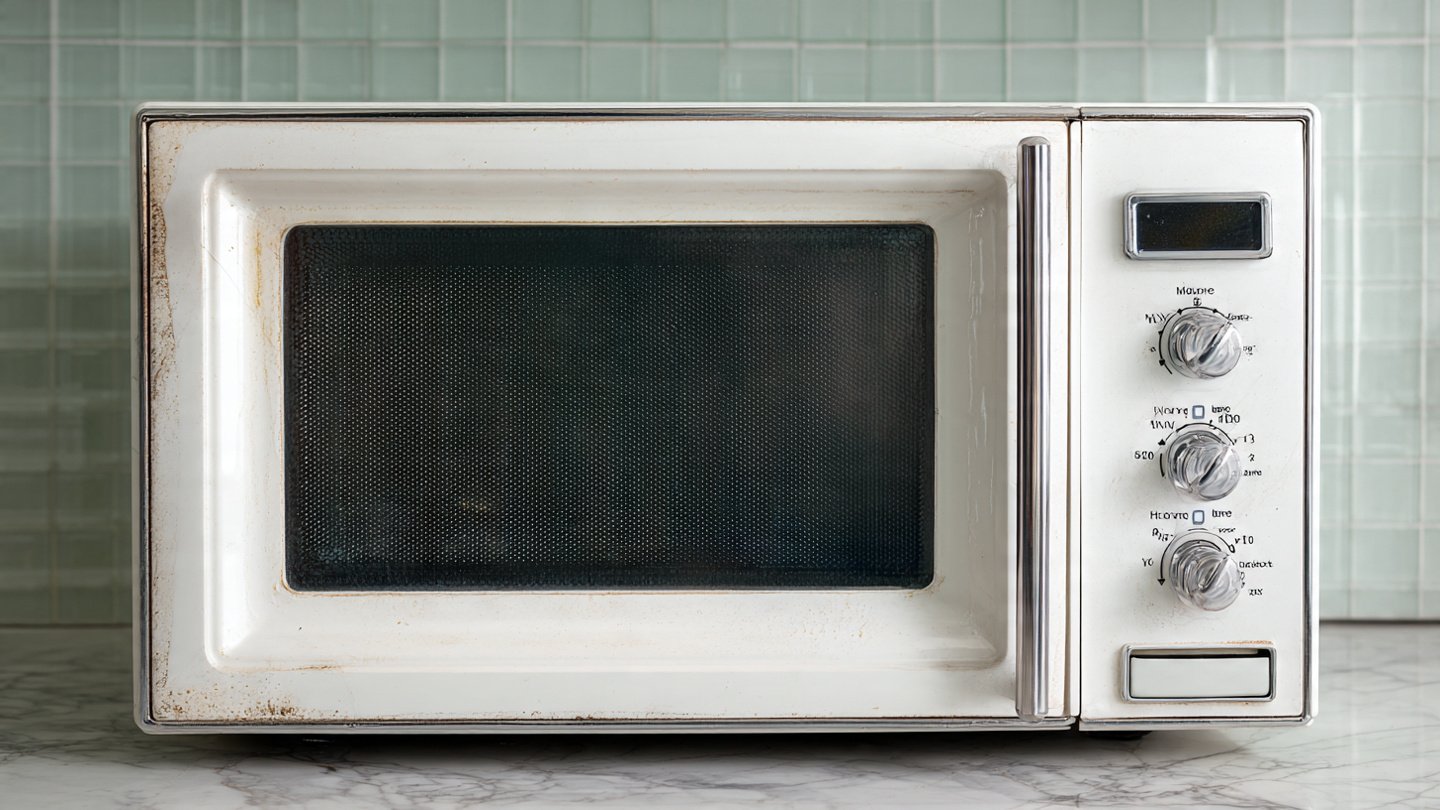
Microwave ovens have become a staple in modern kitchens, facilitating quick meal preparation and convenient heating. However, it’s not uncommon to encounter unpleasant burnt odors emanating from these appliances. Understanding the causes of these odors, how to address them, and prevention measures can help maintain a clean and functional kitchen environment. In this comprehensive guide, we will explore the various reasons burnt odors occur, how to eliminate them, and tips for proper microwave maintenance.
The Science Behind Microwave Cooking
Before delving into the causes of burnt odors, it’s essential to understand how microwave ovens work. Microwaves utilize electromagnetic waves to heat food. These waves excite water molecules in the food, generating heat that cooks it from the inside out. This method is efficient and fast, but it can lead to burning or overheating if food is left unattended or if it is improperly covered.
Common Causes of Burnt Odors
- Overcooked Food: The most common cause of burnt odors in microwave ovens arises from food that has been overcooked. Foods with high sugar content, such as popcorn or baked goods, are particularly prone to burning. When these foods overheat, they can produce acrid odors that can linger.
- Food Spills: Spills from food debris can become trapped in the microwave and burn during future uses, releasing an unpleasant odor. This issue is exacerbated when food is not covered while cooking, leading to splatters.
- Use of Non-Microwave Safe Containers: Certain materials, when subjected to microwave radiation, can warp or melt, releasing odors and even harmful chemicals. For instance, plastic containers not labeled as microwave-safe can leach chemicals and create burnt smells.
- Faulty Components: Sometimes, the microwave’s components themselves may malfunction, leading to overheating and burning smells. This may include issues with the magnetron (the component that generates microwaves), wiring, or the turntable motor.
- Carbon Build-Up: Over time, carbon can accumulate inside the microwave due to repeated heating of food that contains oils and fats. This residue can burn when the microwave is in use, resulting in a burnt odor.
Identifying the Source of the Odor
Once you detect a burnt odor coming from your microwave, it is crucial to identify the source. Here are steps to assist in troubleshooting the problem:
- Visual Inspection: Open the microwave door and check for any food spills, stains, or burnt spots. Pay special attention to the turntable and the walls of the microwave.
- Check Containers: Look at the containers you use for heating food. If you notice any melting plastic or warped containers, stop using them immediately.
- Listen for Unusual Noises: While the microwave is in use, listen for any unusual sounds, such as popping or buzzing. These sounds may indicate an issue with the internal components.
- Smell Test: Identify if the smell is coming from the food itself or if it’s a mechanical odor. If the odor persists even when not in use, it might point to faulty wiring or electrical components.
Steps to Eliminate Burnt Odors
Once you’ve pinpointed the cause of the burnt smell, here are effective methods to eliminate odors:
1. Cleaning the Microwave
- Vinegar Solution: Mix equal parts of water and white vinegar in a microwave-safe bowl. Heat the solution on high for five minutes. The steam will help loosen food particles, making them easier to wipe away while neutralizing odors.
- Baking Soda: Place an open box of baking soda inside the microwave or create a paste of baking soda and water to scrub the interior surfaces. Baking soda is excellent for absorbing odors.
- Lemon Water: Similar to vinegar, lemon water can help eliminate odors. Slice a lemon, place it in a bowl of water, and heat it for five minutes. The citrus scent will provide a fresh aroma while neutralizing burnt smells.
2. Airing Out the Microwave
Sometimes, simply airing out the microwave can help. Leave the door open for a few hours to let stale air escape. If the smell persists, you may want to consider placing a bowl of activated charcoal or coffee grounds inside to absorb lingering odors.
3. Replace Faulty Parts
If you suspect that faulty components are causing the smells, it may be time to consult a technician. Common issues include problems with the magnetron or circuit board. Ensure that any replacement parts are compatible with your microwave model.
Prevention Measures
Prevention is always better than cure. Here are some helpful tips to avoid future burnt odors in your microwave:
- Monitor Cooking Times: Keep an eye on the cooking time and avoid leaving the microwave unattended. Use a timer to remind yourself when to check on your food.
- Use Microwave-Safe Containers: Always use containers labeled as microwave safe. Glass, ceramic, and certain plastics are generally safe, while metals should always be avoided.
- Cover Food: Covering your food with a microwave-safe lid or wrap helps prevent spills and splatters that can lead to burnt odors.
- Regular Cleaning: Make a habit of cleaning your microwave regularly to prevent carbon build-up and food residue. A quick wipe down after every use can make a significant difference.
- Avoid Overloading: When reheating or cooking, avoid placing too much food in the microwave at once. Overloading can lead to uneven heating and burning.
Conclusion
Understanding burnt odors from your microwave oven is crucial for maintaining both appliance functionality and a pleasant kitchen environment. By identifying the causes, applying appropriate cleaning methods, and employing preventive measures, you can significantly reduce the incidence of unpleasant smells and ensure your microwave runs efficiently. Regular maintenance and proper usage are vital to enjoying the convenience that microwave cooking offers. If the problem persists despite your efforts, don’t hesitate to seek professional help to diagnose and resolve the issue effectively. A well-cared-for microwave not only enhances your cooking experience but also contributes to a healthier kitchen atmosphere.