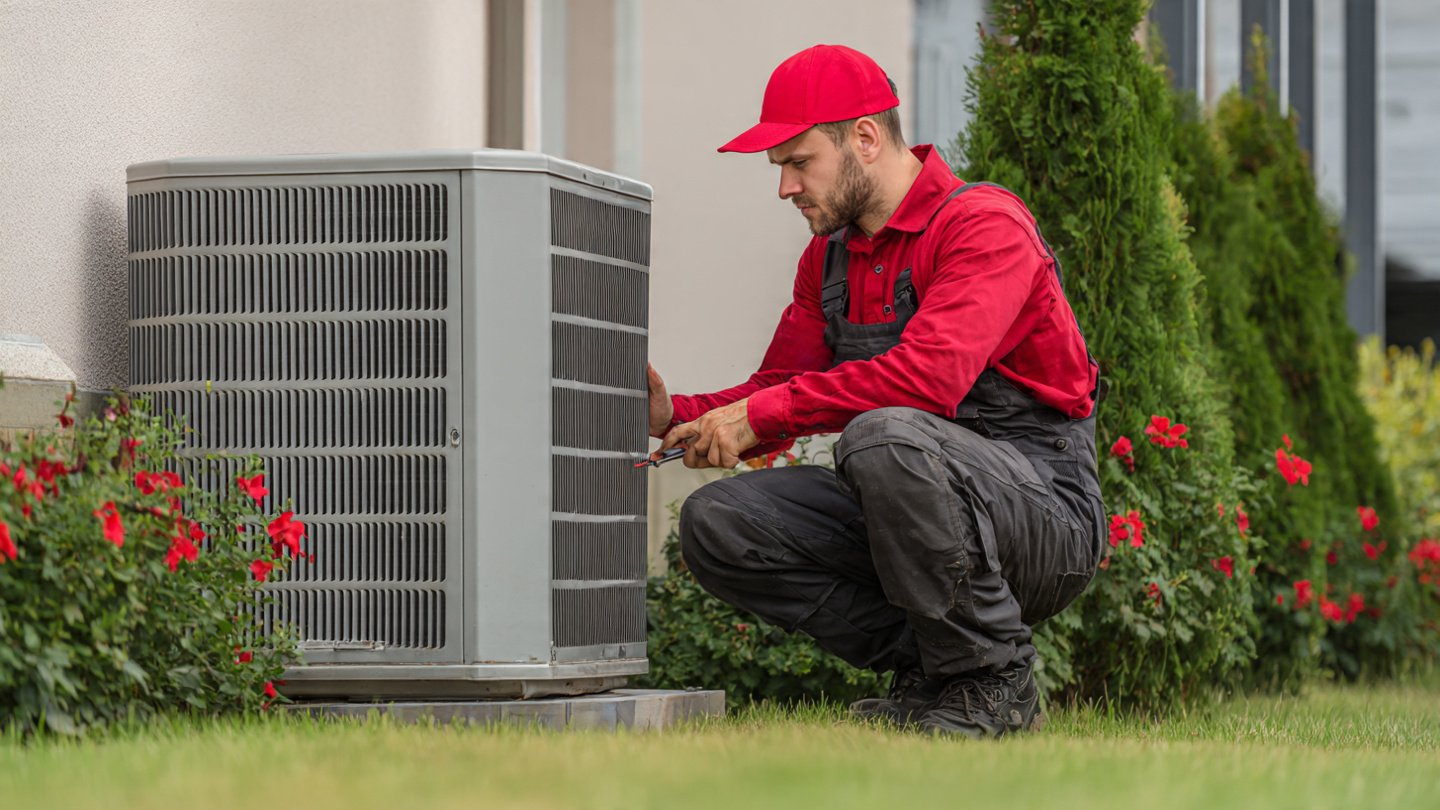
Air conditioning units are vital for maintaining comfort in homes and workplaces, particularly during sweltering summer months. Among the various components of an air conditioning system, the compressor stands out as one of the most crucial parts. The compressor plays a pivotal role in keeping your space cool by compressing refrigerant and facilitating heat exchange. However, it can be vulnerable to wear, tear, and damage if not properly maintained. In this article, we will outline a simple routine to safeguard your air conditioner compressor, ensuring efficient performance and prolonged lifespan.
Understanding the Role of the Compressor
Before we delve into the maintenance routine, it is essential to understand what the compressor does. As the heart of your air conditioning system, the compressor is responsible for circulating refrigerant between the evaporator and the condenser. It converts the refrigerant from low-pressure gas to high-pressure gas, allowing it to absorb heat from inside your home and release it outside.
If the compressor fails, the whole air conditioning system can come to a halt, leading to discomfort and higher energy costs. Regularly safeguarding this crucial component will save you money in repairs and energy bills in the long run.
Awareness of Common Issues
Understanding the potential issues that can affect your compressor is the first step toward effective maintenance. Common problems include:
- Overheating: High temperatures can cause the compressor to overheat, leading to system failure.
- Dirty Coils: Dirt and debris accumulation on coils can inhibit heat exchange and place additional strain on the compressor.
- Refrigerant Leaks: Insufficient refrigerant can lead to compressor failure due to increased pressure and strain.
- Electrical Issues: Faulty wiring can affect the compressor’s performance and lead to unexpected shutdowns.
By being aware of these issues, you can take proactive measures to safeguard your compressor.
Regular Maintenance Routine
Maintaining your air conditioner compressor does not have to be a daunting task. Here’s a straightforward routine to ensure your compressor remains in top condition.
1. Clean or Replace Air Filters
Frequency: Monthly or as needed
Dirty air filters can restrict airflow, causing the compressor to work harder and overheat. Regularly cleaning or replacing air filters helps maintain proper airflow and efficiency.
How to do this:
- Turn off your air conditioning unit.
- Remove the filter from the designated slot.
- If it’s a reusable filter, rinse it under warm water to remove dirt and let it dry completely before reinstalling. If it’s disposable, replace it with a new one.
2. Inspect and Clean the Condenser Coils
Frequency: Bi-annually
The condenser coils can become clogged with dust, leaves, and other debris, impeding heat exchange. This can lead to an unnecessary strain on the compressor.
How to do this:
- Turn off the power to the unit.
- Remove any debris around the unit to allow for proper airflow.
- Use a soft brush or cloth to lightly clean the coils. Avoid using a high-pressure washer as it can damage the fins.
3. Check the Refrigerant Levels
Frequency: Annually
Low refrigerant levels can lead to compressor failure. Monitoring these levels ensures that your air conditioning unit operates efficiently.
How to do this:
- While checking the refrigerant is often best left to professionals, you can look for signs of leaks such as ice buildup on the evaporator coils or a hissing noise.
- If you suspect a leak, contact a licensed HVAC professional to repair it and recharge the system as necessary.
4. Monitor the Drainage System
Frequency: Monthly
A clogged drainage system can lead to excessive moisture buildup, which can eventually damage the compressor.
How to do this:
- Ensure that the condensate drain is clear. Check for clogs by removing any debris.
- Occasionally, flush the drain line with a mixture of water and vinegar to help dislodge any buildup.
5. Inspect Electrical Connections
Frequency: Bi-annually
Loose or corroded electrical connections can hinder the compressor’s efficiency and lead to system errors.
How to do this:
- Turn off the power to the unit and inspect the electrical connections.
- Look for signs of corrosion or damage. If you find any issues, do not attempt to fix it yourself. Contact a professional technician.
6. Check for Unusual Noises
Frequency: Ongoing
Paying attention to how your air conditioning unit sounds can help detect issues early. Any strange hissing, grinding, or rattling noises may indicate significant problems with the compressor.
How to respond:
- If you hear unusual noises, consider turning off the system to prevent further damage and consult a professional to diagnose and fix the issue.
7. Schedule Regular Professional Inspections
Frequency: Annually
Even with a diligent maintenance routine, nothing beats the expertise of a professional. Scheduling regular inspections can help catch problems before they escalate.
How to do this:
- Look for a reputable HVAC contractor in your area with good reviews.
- Schedule annual maintenance where a technician can inspect and service the compressor, ensuring everything is functioning optimally.
Tips for Cooler Efficiency
In addition to regular maintenance, there are other practices you can implement to ensure your air conditioner compress is running efficiently:
1. Use Programmable Thermostats
Using a programmable thermostat can help you manage your cooling needs better. It can adjust the temperature based on your schedule, reducing the load on your compressor during peak times.
2. Seal Leaks Around Windows and Doors
Check for air leaks around windows and doors. Sealing these gaps with caulk or weather stripping minimizes the work your air conditioning system has to do and, in turn, protects your compressor.
3. Maintain Landscaping
Make sure that plants and shrubs are not too close to the outdoor unit. Trim vegetation to allow for proper airflow around the condenser coils.
4. Limit Heat Sources Indoors
Keep blinds and curtains closed during the hottest part of the day to minimize heat gain. Additionally, turning off unnecessary appliances can help reduce the indoor temperature and lessen the load on your air conditioner.
Troubleshooting Common Issues
Even after following the maintenance routine, you might encounter issues. Here are some steps you can take to troubleshoot common problems:
1. Compressor Won’t Start
- Check the power supply to the unit.
- Inspect the circuit breaker or fuses for any tripped switches or blown fuses.
2. Weak or No Cooling
- Ensure that air filters are clean.
- Check the thermostat settings.
- Inspect for refrigerant leaks.
3. High Energy Bills
- Ensure regular maintenance is performed to avoid inefficiencies.
- Check for air leaks in your space that could compromise efficiency.
Final Thoughts
Safeguarding your air conditioner compressor doesn’t require extensive knowledge or a lot of time. By employing a simple routine that includes regular cleaning, inspection, and professional maintenance, you can ensure that your compressor operates efficiently and lasts for years to come.
A well-maintained compressor not only enhances the comfort of your home or office but also saves you money on energy bills and costly repairs. Taking proactive measures today will help you avoid the discomfort of a malfunctioning air conditioning system tomorrow. So start your maintenance routine today, and enjoy a cooler, more comfortable environment.