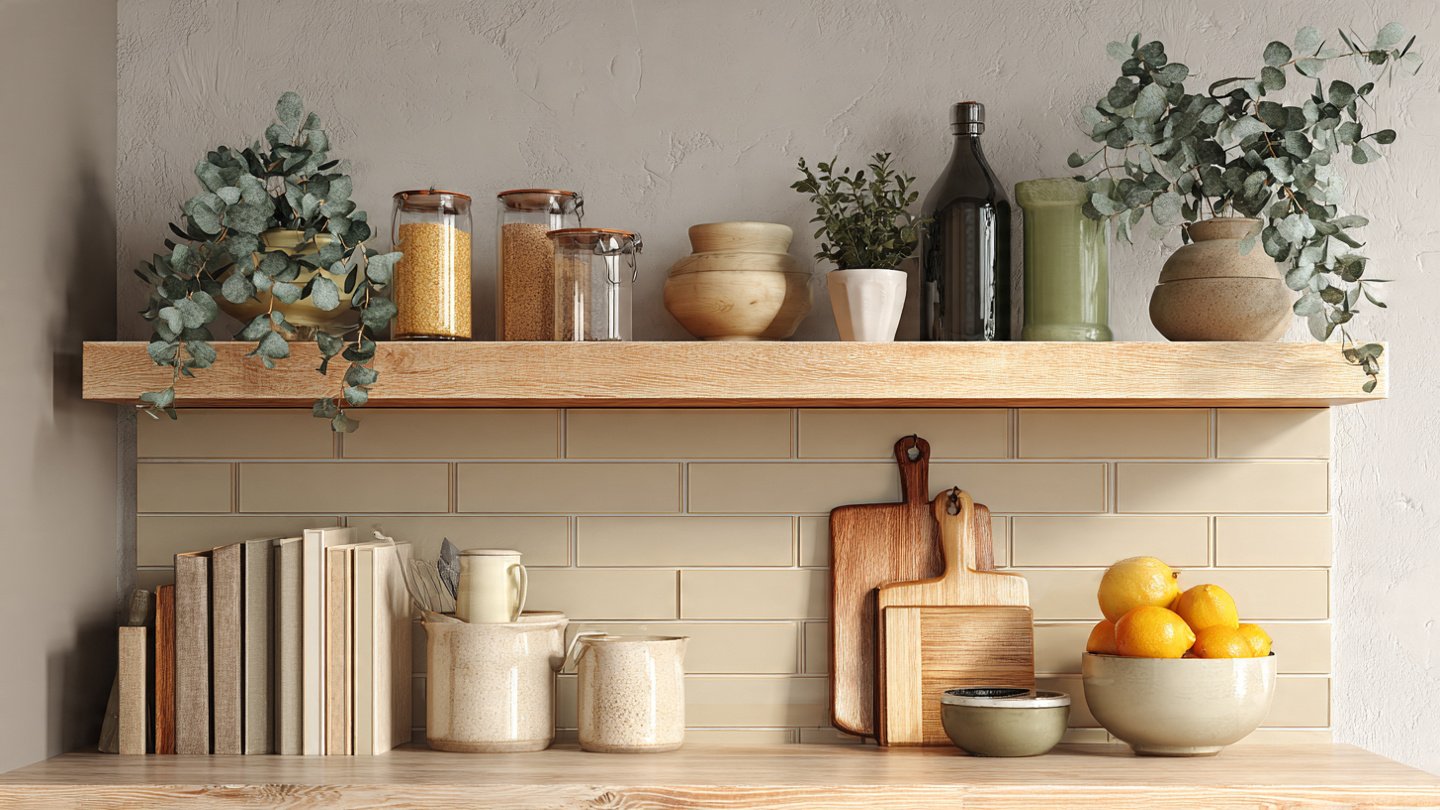
The kitchen is often considered the heart of the home, bustling with activity, creativity, and, unfortunately, mess. Among the many surfaces that tend to gather neglect over time, kitchen shelves are notable for their speed in accumulating dust and grease. Understanding the reasons behind this phenomenon can help us not only keep our kitchens cleaner but also contribute to a healthier living space. In this article, we’ll delve into why kitchen shelves become dust and grease magnets so quickly, and offer practical solutions for maintaining their cleanliness.
1. Everyday Cooking Activities
1.1 Grease Production from Cooking
One of the primary reasons kitchen shelves accumulate grease is the very nature of cooking. Whether you’re frying, sautéing, or baking, cooking methods often release airborne grease particles. Hot oils, fats, and steam combine to form a greasy film that can quickly settle on surfaces, including your shelves.
1.2 Food Spills
Food spills—from an overflowing pot to ingredients splattered while mixing—are routine in the kitchen. Even minor spills can lead to residue that attracts dust and grime, which, over time, creates a thick, sticky layer on your shelves.
1.3 Lack of Ventilation
Good ventilation is crucial for dispersing the airborne particles generated during cooking. If your kitchen lacks a proper exhaust hood or window for air circulation, grease and dust have nowhere to go but settle on your surfaces, including shelves.
2. Dust Accumulation
2.1 Environmental Factors
Dust is composed of various particles, including dirt, pollen, skin cells, and fibers from clothing and fabric. Kitchens that are not regularly cleaned can accumulate these particles more rapidly. The more cluttered your kitchen, the more surfaces there are for dust to settle.
2.2 Flooring and Foot Traffic
Kitchens often experience high foot traffic, which can exacerbate dust problems. Walking in and out of the kitchen brings in dirt and dust from other areas of the home. The motion stirs up existing dust on shelves, encouraging it to settle back down quickly.
2.3 Open Shelving
While decorative and functional, open shelves can be a dust magnet. Without paneling or doors to protect them, items on open shelves are more exposed to airborne dust and grime, making regular cleaning a must.
3. Static Electricity
Dust particles are often negatively charged, and shelves can play a role in attracting them through static electricity. This is particularly significant for wooden shelves, which can develop a static charge. Dust sticks more readily to surfaces with electrical charge, creating a cycle of dust accumulation.
4. Lack of Regular Cleaning
4.1 Busy Lifestyles
In our fast-paced lives, regular cleaning routines can fall by the wayside. If daily or weekly cleaning schedules aren’t adhered to, grease and dust can build up quickly and become more challenging to remove. Without routine cleaning, the problem compounds over time.
4.2 Underestimating the Maintenance Needed
Many homeowners underestimate how often kitchen shelves need to be cleaned. It’s easy to overlook these surfaces, especially when they aren’t directly in the cooking line of fire. The longer the neglect, the more difficult it becomes to restore them to cleanliness.
5. Poor Material Choices
5.1 Absorbent Materials
Different materials accumulate and retain dust and grease in varying degrees. For example, porous materials like unfinished wood and certain fabrics can absorb grease and dust, making it nearly impossible to keep them clean without specialized treatments.
5.2 Glossy or Smooth Surfaces
In contrast, glossy finishes can make it easier to wipe off grease but can also show smudges and dust more prominently. The choice of material for your kitchen shelves can significantly influence how difficult they are to keep clean.
6. Improper Storage Practices
6.1 Uncovered Items
Leaving food or cooking items uncovered on shelves increases the likelihood of attracting grease and dust. Unsealed containers allow grease and particles from the air to permeate and settle into the items, which not only makes the shelves dirty but can spoil the food as well.
6.2 Overloading Shelves
Overcrowded shelves prevent airflow and can lead to retention of dust and grease. When items are tightly packed, cleaning becomes more difficult, as it’s hard to reach behind or between items. In contrast, well-organized and spaced-out items can allow for proper cleaning and airflow.
7. Combating Dust and Grease Accumulation
7.1 Improve Ventilation
Investing in adequate ventilation will significantly reduce airborne grease and dust. Use a range hood that vents outside, or keep windows open during cooking to allow airflow and reduce buildup.
7.2 Regular Cleaning Schedule
Establishing a regular cleaning schedule can help combat dust and grease accumulation before they become an overwhelming problem. Wipe down shelves weekly with a suitable cleaner, and dedicate time for a deep clean once a month.
7.3 Use Appropriate Storage Containers
Opt for airtight and covered containers for food storage to limit exposure to airborne particles. Glass and plastic containers with tight seals can significantly reduce grease and dust settlement.
7.4 Consider Shelf Material
Choosing the right materials for shelves can minimize maintenance needs. For example, smooth, non-porous surfaces are easier to wipe down than porous ones. Consider clear acrylic, stainless steel, or treated wood for aesthetics and functionality.
7.5 Decluttering
Regularly declutter your kitchen shelves to maintain a clean environment. Remove items you no longer use or need and arrange essential items in an organized manner to promote cleanliness.
Conclusion
The accumulation of dust and grease on kitchen shelves is a multifaceted issue that stems from cooking activities, environmental factors, and cleaning habits. By understanding the reasons behind their rapid buildup, homeowners can take proactive steps to maintain a cleaner kitchen. From establishing regular cleaning routines to optimizing storage practices, the path to a spotless kitchen is within reach. A clean kitchen not only enhances the aesthetics of your home but also contributes to healthier cooking conditions, reinforcing the importance of addressing this sneaky yet significant issue. With these strategies in mind, your kitchen can be both a functional cooking space and a clean, inviting environment.