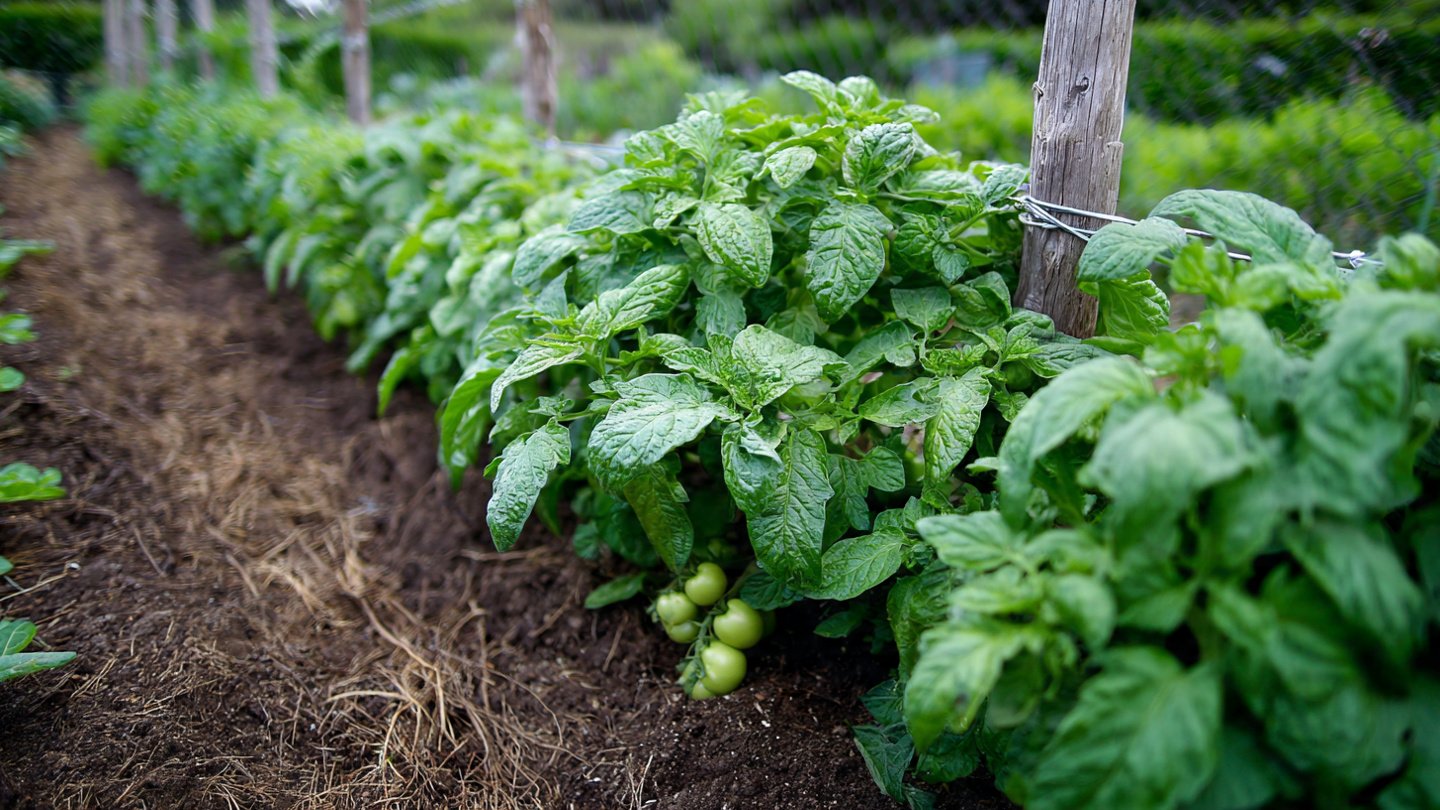
Pruning is an essential practice in maintaining a healthy and productive kitchen garden. While many gardeners recognize the importance of pruning for fostering growth, it can sometimes lead to unexpected struggles for plants. Understanding the reasons behind these challenges can help gardeners make informed decisions and improve their gardening techniques.
1. Lack of Knowledge and Skill
One of the primary reasons kitchen garden plants struggle post-pruning is the lack of experience or knowledge about the correct pruning techniques. New gardeners may not be aware of fundamental practices, such as the appropriate time of year or season to prune specific types of plants. For instance, pruning certain flowering plants during their blooming season can lead to a significant reduction in flowers.
1.1 Timing
Each plant species has its optimal pruning time. Pruning too early in spring could remove growth that would have formed flowers or fruit. Conversely, pruning too late could encourage new growth that won’t have time to harden off before winter. Gardeners must do thorough research on the specific needs of their plants to ensure they are pruning at the right time.
1.2 Technique
Proper techniques include using sharp, clean tools to make clean cuts, thereby minimizing damage to the plant. Applying improper methods—such as “topping” plants, which involves cutting the top off—can lead to stunted growth, allowing the plant to focus on recovering from the trauma rather than growing new shoots.
2. Over-Pruning
Over-pruning is a common mistake that leads to poor plant performance. Many gardeners believe that cutting back a plant significantly will encourage bushier growth or more fruit. However, this can often backfire.
2.1 Plant Shock
When plants are pruned excessively, they can also go into shock. This shock reduces their ability to absorb water and nutrients from the soil, leaving them vulnerable to pests and diseases. Symptoms of plant shock include yellowing leaves, wilting, and stunted growth.
2.2 Energy Reserves
Plants store energy in their leaves and stems. Removing too much foliage decreases their ability to photosynthesize, resulting in lower energy reserves that are vital for growth and recovery. A plant that is stressed is less capable of fighting off diseases or pests, which can devastate a kitchen garden.
3. Inadequate Care Post-Pruning
After pruning, plants require extra care to rebound effectively. Lack of support during this recovery phase can hinder their growth.
3.1 Watering Needs
Pruned plants often need more water for recovery, as they may lose a significant amount of their root system’s ability to absorb moisture. If gardeners fail to adjust their watering regimen, plants will struggle to thrive. Each plant may have different watering needs, which can change after pruning.
3.2 Nutritional Requirements
After pruning, plants usually benefit from additional nutrients to kickstart growth. If a gardener does not supplement the soil with essential nutrients like nitrogen, phosphorus, and potassium, the plants may struggle to recover. A lack of necessary nutrients can also lead to various deficiencies that hinder growth.
4. Environmental Factors
Environmental conditions play a critical role in the success of kitchen garden plants post-pruning. These factors can amplify the stress that plants experience after pruning.
4.1 Temperature Fluctuations
Pruning often coincides with changing weather conditions. Sudden temperature dips or increases can shock the plant and impede recovery. For example, a warm spring day can encourage plants to grow but might be followed by a sudden frost, leading to damage.
4.2 Sunlight Access
Pruned plants might become more vulnerable to sun exposure. If significant foliage is removed, the remaining parts may receive too much sunlight, leading to leaf scorch or dehydration. On the contrary, if they are pruned too much in shady areas, they may not receive adequate light to grow.
5. Pest and Disease Vulnerability
Pruning could expose plants to pests and diseases. When plants are stressed due to pruning, their natural defenses might weaken, making them more susceptible to infestations and infections.
5.1 Open Wounds
Every pruning cut creates an open wound on the plant, providing an entry point for pathogens. If plants aren’t treated with a fungicide or healing compound after being pruned, they may become infected with diseases such as powdery mildew or cankers.
5.2 Attracting Pests
Certain pests are attracted to stressed plants. The odors emanating from the wounds can draw insects like aphids, spider mites, or whiteflies, which can significantly hinder the plant’s growth. An increase in pests can also lead to the spread of diseases.
6. Soil Quality Issues
The condition of the soil can also greatly affect a plant’s ability to recover after pruning. Poor soil quality usually results in stressed plants that struggle to bounce back.
6.1 Drainage Problems
If the soil does not drain well, it can lead to root rot, especially after pruning when the plant may already be in a weakened state. Too much moisture can exacerbate the stress that the plant is under.
6.2 Compaction
Soil compaction can hinder root growth and water absorption. When gardeners prune, stimulating root growth is crucial, and compacted soil may frustrate this process. Aerating the soil before and after pruning can help facilitate healthy growth.
7. Incompatibility with Other Plants
In a mixed garden, one plant’s response to pruning can be affected by its relationship with neighboring plants. Not all plants grow harmoniously together, and the loss of foliage from one species may expose others to more sunlight or competition for resources.
7.1 Competition for Nutrients
If a gardener prunes a crop expecting it to flourish, nearby plants might become stressed due to increased competition for nutrients. This competition can hinder overall growth in the garden, as resources become stretched thin.
7.2 Allelopathy
Some plants can release chemicals that inhibit the growth of neighboring plants—a phenomenon known as allelopathy. If a gardener prunes these inhibiting plants, it might paradoxically cause stunted growth in other plants sharing the same space.
Conclusion
Pruning is a fundamental skill for any serious gardener, particularly for those who rely on their kitchen gardens for food. However, it is vital to recognize that misunderstanding pruning techniques, over-pruning, poor post-pruning care, environmental factors, pest vulnerabilities, soil quality issues, and inter-plant competition can lead to significant struggles for plants.
To maximize the benefits of pruning, it’s essential to approach the task with knowledge and care. Take the time to understand each plant’s specific needs and characteristics. Adjust watering and nutritional support following pruning, and be vigilant about pest control. By considering these factors, gardeners can create a thriving kitchen garden that yields successful harvests year after year.
With thoughtful care and an informed approach, kitchen garden pruning can serve as a powerful tool rather than a source of stress for both plants and gardeners alike.