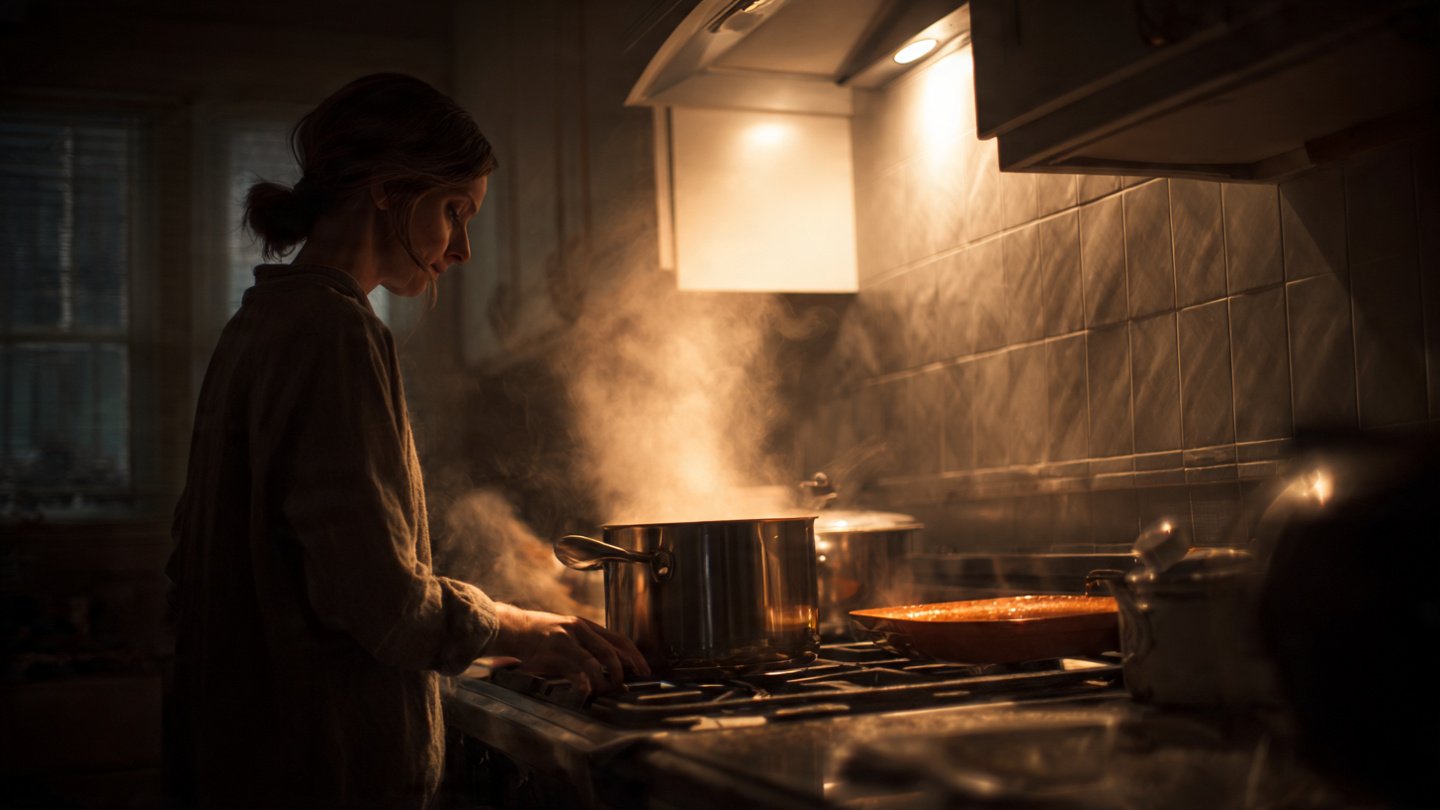
The kitchen is often referred to as the heart of the home, a gathering place for family and friends, and a space where culinary creativity thrives. However, it is also a place where odors can linger and intensify, particularly during the night. If you’ve noticed stronger kitchen smells when darkness falls, you’re not alone. This article will delve into the reasons behind this phenomenon, exploring how environmental factors, human behavior, and the innate qualities of certain foods contribute to the intensified kitchen odors after sunset.
The Science of Smell
To appreciate why kitchen odors might become more pronounced at night, it’s essential to understand how our sense of smell works. The olfactory system enables us to detect and identify various aromas, relying on thousands of olfactory receptors located in the nasal cavity. These receptors send signals to the brain, which interprets them as distinct smells.
The human nose is remarkably sensitive, capable of detecting even trace amounts of aromatic compounds. However, certain factors can influence this sensitivity, such as time of day, humidity levels, and even our own metabolic rates.
Circadian Rhythms and Smell Sensitivity
Circadian rhythms refer to the physiological processes that follow a roughly 24-hour cycle, influencing sleep-wake patterns, hormone release, and even sensory perception. Research has shown that our sense of smell fluctuates throughout the day. For instance, studies suggest that olfactory sensitivity peaks in the evening and night. During nighttime, humans might be more attuned to smells, enhancing their perception of kitchen odors.
In essence, the body’s natural rhythms may make us more aware of smells after dark, leading us to perceive kitchen odors as stronger than we would during the day.
Environmental Factors
Temperature Fluctuations
Temperature plays a significant role in the behavior of odors. Warmer air can carry scent particles more effectively than cooler air because heat helps to volatilize aromatic compounds. If your kitchen’s temperature rises at night—due to cooking, the ambient warmth of evening, or even reduced ventilation—odors may intensify.
Conversely, at night, ambient outdoor temperatures tend to drop, leading to cooler indoor environments. However, if cooking has taken place recently, the residual heat may keep those odor particles suspended in the air, making them more pronounced.
Humidity Levels
Humidity also has a critical impact on how smells are experienced. Higher humidity levels can amplify odors by facilitating the diffusion of scent molecules. At night, when humidity can rise due to cooler air temperatures, kitchen odors may become more potent.
Air Pressure Changes
Air pressure variations, which can occur at night, may also influence odor experience. Changes in atmospheric pressure can affect how easily scent particles disperse. A decrease in pressure, which can be more common during nighttime, could cause odors to linger longer and become more concentrated, intensifying the scent experience.
Human Behavior Patterns
Evening Cooking Habits
Another contributing factor to intensified kitchen odors at night is simply human behavior. Many people prefer to cook dinner in the evening, resulting in an abundance of aromatic experiences all occurring in a short period. Foods that are popular during dinner—such as garlic, onions, and spices—release strong scents that can linger for hours.
When you cook in the evening, the combination of various ingredients, coupled with the aforementioned environmental factors, leads to the perfect storm for heightened olfactory experiences. Rich, savory smells may fill the home, creating an intense sensory profile that lingers throughout the night.
Cleaning Practices
Cleaning practices also play a role in how we perceive kitchen odors. After cooking, some people may take steps to clean up, but this cleaning routine can often be less thorough or less frequent at night. Odor-causing residues from cooking can remain, leading to stronger smells over time. If the kitchen is not properly ventilated or cleaned after dinner preparation, lingering food odors can intensify as they mix with cooler evening air.
Evening Relaxation
Evening activities often involve relaxing in the home—whether it’s watching TV, reading, or winding down for bed. During this time, you’re more likely to notice the odors that linger in the kitchen. In the daytime, the hustle and bustle of activity often distract from various scents, but in the quieter evening hours, these odors can become much more pronounced.
Types of Foods and Cooking Techniques
Aromatic Ingredients
Certain foods and cooking techniques release more potent aromas than others. Ingredients like garlic, onions, and spices (such as cumin, turmeric, and coriander) are notorious for their strong smells. When cooked and combined, these ingredients create complex odor profiles that can easily overwhelm less aromatic scents.
For instance, a stir-fry or curry dish can generate multiple layers of aroma, creating a powerful scent that is especially noticeable at night when the kitchen is quieter and air movement is minimal.
Cooking Methods
The method of cooking can also exacerbate kitchen odors. Techniques such as frying, grilling, or roasting tend to produce stronger smells than boiling or steaming due to the Maillard reaction—a chemical reaction that occurs when proteins and sugars are exposed to heat, resulting in browning and the formation of new aromatic compounds.
When these cooking methods are employed in the evenings, the mix of various rich smells creates a strong scent profile that can linger well into the night.
Ventilation Issues
Importance of Ventilation
Good kitchen ventilation is crucial for maintaining air quality and minimizing lingering odors. However, many homes have limited ventilation options. Cooking in an unventilated kitchen can lead to the accumulation of strong scents that intensify as the night progresses.
If your range hood is not functioning properly or if you do not open windows or doors for airflow, the smells can become trapped indoors, leading to a buildup of kitchen odors. At night, with less ambient noise and activity outside, these odors can seem even more pronounced.
Exhaust Fans
Using exhaust fans can help reduce lingering smells when cooking in the evenings. These fans work by removing moisture, heat, and odors from the kitchen, helping to keep the air fresher. When cooking at night, running an exhaust fan can help mitigate the intensity of aromas before they settle into the fabrics and surfaces of your kitchen.
Emotional and Psychological Factors
Connection to Memories
The context in which smells are encountered can amplify their effects. Many people associate certain kitchen odors with warm memories or comforting moments—think of the smell of baked goods or a family recipe simmering on the stove. As you wind down for the evening, these pleasant or nostalgic aromas can strike a chord, making them feel even more intense.
Sensory Impact at Night
Additionally, during nighttime hours, our senses often become heightened. With reduced visual stimuli in a darker environment, our other senses, including smell, may become more pronounced. This phenomenon can make even faint kitchen odors feel more potent.
Practical Tips for Managing Kitchen Odors
Understanding the factors that contribute to intensified kitchen smells at night can help you manage them more effectively. Here are some practical tips:
- Cook with Ventilation: Always use exhaust fans when cooking, especially during dinner preparation, to help dissipate odors.
- Clean Immediately: Clean up spills and residue immediately after cooking to prevent odors from settling in.
- Use Odor Absorbers: Place bowls of vinegar, baking soda, or activated charcoal in the kitchen to absorb lingering smells.
- Cook with Caution: Be mindful of using highly aromatic ingredients too late in the evening or consider cooking less aromatic dishes during nighttime.
- Air it Out: Open windows or doors for a brief time to allow fresh air to circulate and disrupt stagnant odors.
- Regular Deep Cleaning: Conduct regular deep cleanings of your kitchen to remove any hidden residues that may be contributing to odors.
- Houseplants: Incorporate houseplants known for their air-purifying qualities, such as peace lilies or spider plants, to help mitigate odors.
Conclusion
The phenomenon of intensified kitchen odors during nighttime is multifaceted, influenced by environmental factors, human behavior, cooking techniques, and even emotional connections to certain smells. Understanding these factors allows you to manage and mitigate strong kitchen odors effectively, ensuring that your home remains a welcoming space. By taking proactive measures and recognizing the nuances of olfactory perception, you can enjoy the culinary adventures in your kitchen with less interference from unwanted scents. Ultimately, the heart of your home can remain fragrant and inviting, night after night.