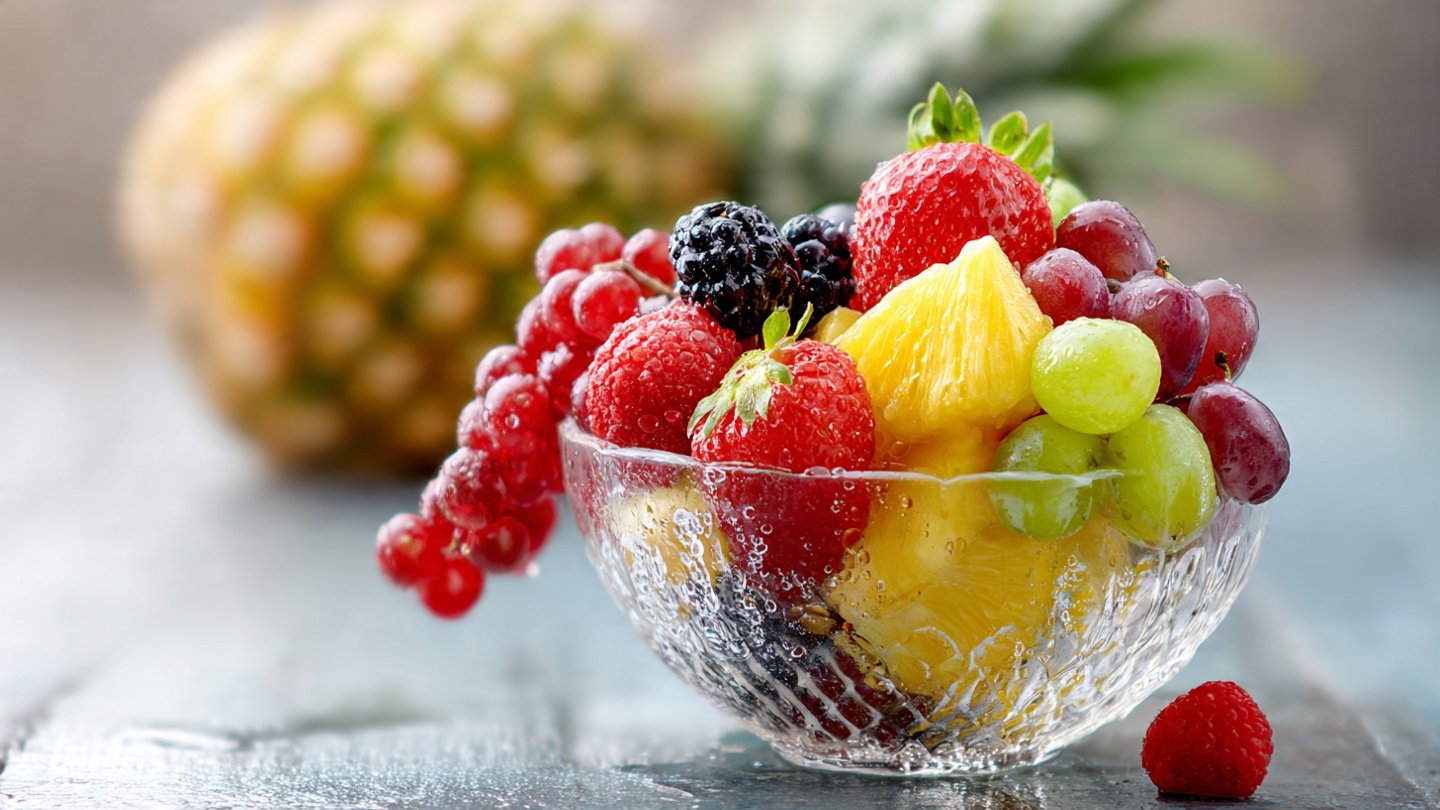
Fruits are an essential part of a balanced diet, providing not only nutrients but also hydration due to their high water content. However, post-harvest handling, including washing, can inadvertently impact their moisture levels. This article explores the phenomenon of moisture loss in fruits after washing, its causes, implications, and potential strategies for minimizing its effects.
The Importance of Water in Fruits
Water constitutes a significant percentage of most fruits, often ranging from 70% to 95%. This high water content is essential for several reasons:
-
Physical Structure: Water helps maintain turgor pressure, which contributes to the fruit’s firmness and structural integrity. When fruits lose water, they can become soft and mushy.
-
Nutritional Value: Water influences the absorption and transportation of nutrients within the fruit. It plays a crucial role in biochemical processes, including photosynthesis and respiration.
-
Flavor and Aroma: The perception of flavor is often tied to the moisture content of fruits. Juiciness contributes significantly to the flavor experience, impacting consumer acceptance.
-
Shelf Life: Proper hydration can extend the shelf life of fruits by reducing the risk of spoilage, decay, and microbial infection.
Understanding the dynamics of moisture loss after washing is crucial for post-harvest handling and storage techniques.
Causes of Moisture Loss After Washing
1. Surface Moisture Removal
When fruits are washed, the primary intention is to remove dirt, pesticides, and microbial contaminants. However, this washing process often involves using water that can lead to the following:
-
Evaporation: Once the washing water is removed or dries off, the surface moisture can evaporate rapidly, especially in warm or dry environments. Fuzzy fruits like peaches and nectarines tend to lose moisture quickly due to their porous skin.
-
Surface Wetness: If fruits remain wet for an extended period without being dried, moisture can accumulate on the surface and promote microbial growth. This encourages washing more frequently, resulting in repeated moisture loss.
2. Intrinsic Fruit Characteristics
Different fruits have unique skin properties and structures that affect their moisture retention:
-
Skin Thickness: Fruits with thicker skins (e.g., oranges and apples) generally retain moisture better than those with thinner skins (e.g., strawberries and raspberries). The latter are more prone to moisture loss after washing.
-
Cuticle Layer: The waxy outer layer, or cuticle, plays a vital role in moisture retention. Fruits like avocados have a thicker cuticle that helps encapsulate moisture better than fruits with a delicate skin.
3. Temperature Fluctuations
After washing, fruits are often subjected to temperature changes, which can exacerbate moisture loss.
-
Warm Water Washing: Washing fruits in warm water can open the pores of the skin, leading to increased evaporation once they cool down.
-
Room Temperature Storage: Once washed, if fruits are stored at room temperature, the ambient conditions can accelerate moisture loss. Cooler environments, like refrigeration, slow this process but can also lead to condensation if not managed well.
4. Exposure Time
The duration of exposure to air post-washing plays a significant role in moisture retention. Prolonged exposure can lead to increased evaporation, particularly if fruits are not dried promptly after washing.
Implications of Moisture Loss
Moisture loss in fruits after washing can have several adverse effects:
-
Quality Degradation: The textural attributes of fruits can significantly change due to moisture loss, rendering them less appealing. This degrades quality and can lead to increased waste.
-
Flavor Profile Alteration: Reduced moisture can lead to diminished flavor and juiciness, affecting consumer satisfaction. Consumers often associate fresh, juicy fruits with higher quality.
-
Shelf Life Reduction: Dehydrated fruits are more susceptible to spoilage. With lower moisture levels, fruits can deteriorate faster, leading to increased waste along the supply chain.
-
Nutritional Compromise: Quality degradation can lead to loss of nutrients, especially those that are water-soluble. This affects the overall nutritional value of the fruit.
Minimizing Moisture Loss After Washing
To mitigate moisture loss after washing, several strategies can be employed:
1. Optimal Washing Techniques
-
Gentle Washing: Instead of soaking, use a gentle spray or rinsing method to minimize the amount of water clinging to the surface.
-
Cold Water Washing: Utilizing cold water reduces the risk of opening the pores, thus limiting moisture loss.
2. Drying Methods
After washing, it’s beneficial to remove excess water promptly. Some effective methods include:
-
Air Drying: Allowing fruits to dry naturally in a controlled environment can help minimize moisture loss by reducing excessive surface water.
-
Use of Towels: Gently patting fruits with a clean, dry towel can be effective in reducing the moisture level without further exposing the fruit to dry air.
3. Proper Storage Conditions
-
Humidity Control: Storing fruits in environments with controlled humidity levels can help retain moisture. High humidity can slow down evaporation, while low humidity can accelerate it.
-
Refrigeration: Refrigerating washed fruits can slow down the rate of moisture loss. However, it’s essential to manage condensation properly to avoid localized moisture that can lead to mold growth.
4. Packaging Innovations
Innovations in packaging can also play a role in minimizing moisture loss:
-
Moisture-Resistant Materials: Utilizing wrapping materials that retain humidity can help prolong moisture within the packaging.
-
Modified Atmosphere Packaging: This method adjusts the composition of gases in the packaging to extend shelf life by regulating respiration rates and minimizing moisture loss.
5. Consumer Education
Educating consumers on how to handle washed fruits can further minimize moisture loss at home.
-
Storing Techniques: Advising consumers to store fruits in the refrigerator and avoid washing until consumption can help maintain moisture levels.
-
Proper Rinsing: Encouraging consumers to wash fruits under less intense water flow can also mitigate moisture loss.
Conclusion
The relationship between washing fruits and moisture loss is multifaceted, influenced by various intrinsic and extrinsic factors. Understanding these dynamics can lead to better practices in post-harvest handling, storage, and consumer use. By employing optimal washing techniques, timely drying, and appropriate storage conditions, it is possible to preserve the integrity and quality of fruits, ultimately leading to enhanced consumer satisfaction and reduced waste. As we recognize the importance of fruits in our diet, prioritizing their freshness and quality remains essential, benefitting both health and sustainability.