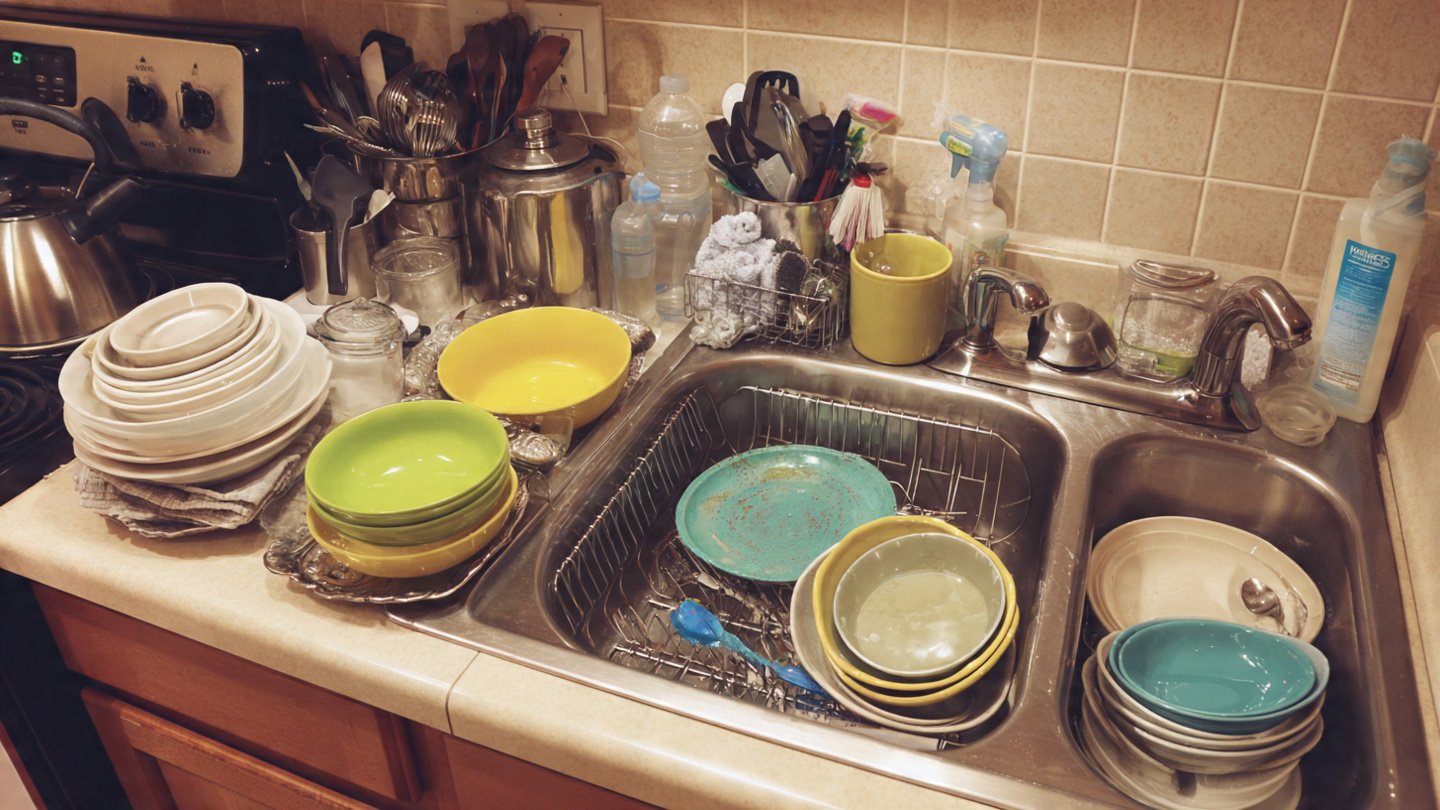
The kitchen is often regarded as the heart of the home, a place where culinary creativity flourishes and family memories are made. However, it’s also a space that demands daily attention and upkeep. While many of us focus on meal preparation, grocery shopping, and entertaining, we often overlook the hidden energy costs associated with kitchen cleaning tasks. Understanding these energy drains can help us approach kitchen cleaning in a more efficient and mindful way, improving our overall well-being and productivity.
The Psychological Burden of a Clean Kitchen
A clean kitchen can greatly influence our mental well-being. The visual chaos of a cluttered countertop or a sink full of dirty dishes can evoke feelings of stress and anxiety. According to a study published in the Personality and Social Psychology Bulletin, individuals in cluttered environments are more likely to feel overwhelmed and fatigued. The constant presence of cleaning tasks can act as a mental burden, sapping our energy not only physically but also psychologically.
Understanding Decision Fatigue
Each cleaning task, whether it’s washing dishes, wiping countertops, or organizing the pantry, requires a decision to be made. This seemingly mundane task can accumulate, leading to what psychologists refer to as “decision fatigue.” By the end of a busy day filled with cooking, work, and family obligations, we’re often left with diminished willpower to undertake even the simplest cleaning tasks.
The Emotional Weight of Cleaning
Cleaning isn’t just a physical task; it evokes a spectrum of emotions. Many people associate cleaning with negative feelings—guilt for not addressing it sooner or dread at the prospect of beginning. This emotional baggage can lead to procrastination, which only compounds the energy drain as tasks pile up.
The Physical Aspects of Cleaning
While mental fatigue plays a significant role, the physical demands of cleaning cannot be ignored. Various factors contribute to the energy drain associated with kitchen cleaning tasks:
Repetitive Movements
Many kitchen cleaning tasks involve repetitive motions—scrubbing, wiping, bending, and lifting. Over time, these movements can lead to muscle fatigue and strain. For instance, continually bending over to scrub pots or crouching to clean lower cabinets can be physically taxing, especially if not performed with proper posture.
Duration of Tasks
Cleaning is rarely a quick endeavor. A thorough cleaning of the kitchen can take anywhere from 30 minutes to several hours, depending on the extent of the mess. During this time, the body must remain engaged, leading to increased heart rates and energy expenditure.
Preparation and Cleanup
Before even starting the actual cleaning, a significant amount of energy can be spent gathering cleaning supplies, organizing tools, and preparing the space. The process of setting up only to later face the cleanup of these supplies adds layers to the overall energy drain.
The Energy Drain from Kitchen Appliances
Our kitchens are filled with appliances that can significantly impact energy consumption during cleaning tasks. While these devices are designed for efficiency, their use can still lead to unexpected drains on both electrical and human energy.
Dishwashers and Energy Consumption
While dishwashers are heralded for their ability to clean dishes efficiently, they also consume a substantial amount of energy. According to the U.S. Department of Energy, an average dishwasher uses around 1.5 kWh per load. This energy consumption, combined with the labor involved in loading and unloading, can become a hidden energy drain.
Food Processors and Mixers
While food processors and mixers can simplify food prep, they also require significant energy input. The effort needed to set these devices up, clean them afterwards, and store them again takes time and energy—often overlooked in the grand scheme of kitchen cleaning.
The Oven and Stovetop
Cleaning the oven or stovetop can be labor-intensive, with tasks such as scrubbing burnt-on food and dealing with grease accumulating. The additional energy spent on maintaining cleanliness in these areas (often involving pre-soaking and lengthy scrubbing) can further sap your reserves.
Time Management and Cleaning Strategies
Everyone has a unique approach to cleaning, and developing an effective strategy can help mitigate the invisible energy drain. Here are some strategies that can make a difference:
Efficient Task Scheduling
Breaking down kitchen cleaning tasks into manageable portions can help reduce overwhelm. Instead of dedicating a long block of time to tackle everything at once, designate smaller intervals to focus on specific areas—counters, dishes, or floors.
Utilize Timer Techniques
The Pomodoro technique—working for a fixed time, followed by short breaks—can be employed in kitchen cleaning. Set a timer for 25 minutes of focused cleaning followed by a 5-minute break. This can help maintain your stamina and enhance productivity.
Engage in Mindful Cleaning
Rather than viewing cleaning as a chore, consider it a time for mindfulness. Engaging in the activity with awareness can transform the experience, making it feel less like a burden and more like a meditative practice. The act of cleaning can allow one to reflect and clear the mind.
The Value of Delegation and Cooperation
Cleaning doesn’t have to fall solely on one person’s shoulders. Enlisting family members or housemates can both share the burden and make the process more enjoyable.
Collaborative Cleaning Sessions
Setting aside specific times for everyone to participate in cleaning can transform it into a social activity. Using music or cooperative games can make the session fun rather than mundane.
Teaching Kids Responsibility
Involving children in cleaning tasks teaches them essential life skills and fosters a sense of responsibility. Simple tasks like wiping surfaces or sorting utensils can empower them while reducing the workload.
The Role of Cleaning Tools
The tools used for kitchen cleaning also contribute to the hidden energy drain. Investing in high-quality tools can make a significant difference in both time and effort.
Ergonomic Cleaning Tools
Using ergonomically designed mop handles, scrubbers, or sponges can minimize physical strain. These tools are designed to work with the body’s natural movements, reducing energy exertion during cleaning.
Multi-Purpose Cleaning Agents
Opting for multi-purpose cleaners can streamline the cleaning process. Rather than switching between numerous products, a single cleaner that effectively handles various surfaces can save time and energy.
The Long-Term Benefits of an Organized Kitchen
While the immediate energy drain from cleaning tasks can feel overwhelming, the long-term advantages of maintaining an organized kitchen are undeniable.
Increased Efficiency in Cooking
An organized kitchen allows for quicker meal prep, leading to time-saving benefits in daily cooking. The less clutter and mess, the more efficiently meals can be prepared and enjoyed.
Enhanced Mood and Satisfaction
A clean, organized kitchen can lift spirits and create a welcoming environment that inspires creativity and joy. The effort invested in cleaning can translate to a more positive atmosphere for family and guests alike.
Conclusion
Understanding the hidden energy drains associated with kitchen cleaning tasks allows for a more mindful approach to maintaining this vital space. By recognizing the psychological, emotional, and physical factors at play, we can develop more efficient strategies to tackle these chores.
Incorporating collaborative efforts, ergonomic tools, and mindful cleaning practices can transform kitchen upkeep from a burdensome chore to a manageable and even rewarding aspect of home life. As you navigate your culinary adventures, take a moment to appreciate the balance between the joy of cooking and the necessary discipline of cleaning—both ultimately contribute to the heart of your home.