Introduction
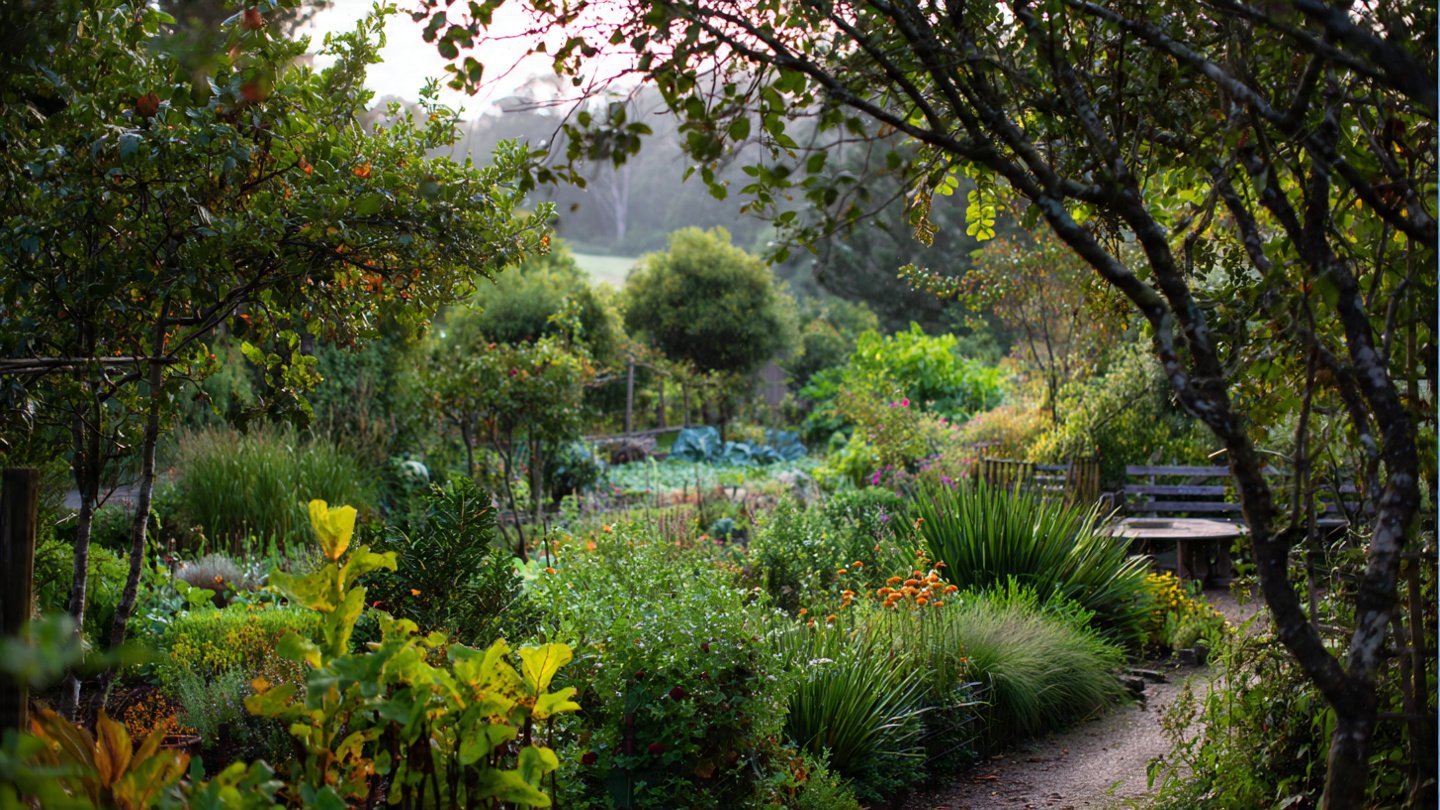
In recent years, the idea of creating kitchen gardens has gained significant popularity. These gardens, often characterized by their combination of vegetables, herbs, and fruits, serve a dual purpose: they provide fresh produce while also contributing to local biodiversity. One of the most fascinating aspects of kitchen gardens is their role in supporting bird habitats. In this article, we will explore how kitchen gardens can be transformed into thriving bird sanctuaries, the benefits of avian visitors, and practical ways to foster a bird-friendly environment.
The Link Between Kitchen Gardens and Biodiversity
What Is a Kitchen Garden?
A kitchen garden, traditionally, is a space where homeowners grow their own edible plants, enhancing their culinary experience. It can vary in size from a few pots on a balcony to expansive plots in the yard. Typically, kitchen gardens are designed for easy access to fresh ingredients and often prioritize organic growing methods.
Importance of Biodiversity
Biodiversity refers to the variety of life forms in a given habitat. A rich diversity of plants and animals contributes to ecological balance, allowing ecosystems to function effectively. Kitchen gardens can play a pivotal role in maintaining and promoting biodiversity by providing habitats for various wildlife, especially birds.
The Role of Birds in Ecosystems
Birds are not only captivating creatures but also integral components of healthy ecosystems. They serve numerous ecological functions, including pollination, seed dispersal, and pest control. By attracting birds to kitchen gardens, gardeners can enhance their garden’s productivity and contribute to broader environmental health.
Designing Bird-Friendly Kitchen Gardens
Choosing the Right Plants
The type of plants you select for your kitchen garden can significantly influence the bird species that visit. Here are some categories to consider:
1. Fruit-Bearing Plants
Fruit-bearing plants such as berry bushes (e.g., blueberries, raspberries) and fruit trees (e.g., apple, cherry) attract many bird species. These fruits provide essential food sources during migration and breeding seasons.
2. Native Plants
Incorporating native species into your kitchen garden is crucial. Native plants are well-adapted to local climates and soils, often attracting native birds. Examples include coneflowers, sunflowers, and dogwoods.
3. Flowering Plants
Brightly colored flowering plants like zinnias and marigolds not only beautify the garden but also attract pollinators that birds rely on for food. Flowering plants bloom at different times, ensuring a food supply throughout the growing season.
Creating Shelter
Birds need safe places to perch, forage, and nest. Here are some strategies to make your kitchen garden a haven for them:
1. Vertical Structures
Adding trellises, arbors, or fences can provide vertical spaces for birds to rest. These structures can be adorned with climbing plants, offering both shelter and food.
2. Nesting Sites
Install birdhouses or nest boxes at various heights. Ensure they are clean and safe, with appropriate entry holes for target species.
3. Shrubs and Taller Plants
Incorporate dense shrubs, grasses, and taller perennial plants to create layers in your garden, offering hidden spots for birds to feel secure.
Providing Water Sources
Birds require water for drinking and bathing. Adding a small birdbath or shallow dish filled with water can attract many species. Keep the water fresh by changing it regularly, and consider creating a drip feature that can help manage mosquito populations.
Implementing Eco-Friendly Practices
Avoiding Pesticides
One of the best ways to attract birds to your kitchen garden is by maintaining a chemical-free environment. Pesticides can harm birds directly and indirectly by reducing their food sources. Instead, consider natural pest control methods, such as companion planting and attracting natural predators like ladybugs and lacewings.
Composting and Sustainable Practices
Implementing sustainable gardening practices, such as composting kitchen scraps and using organic fertilizers, enriches the soil and promotes healthy plant growth. Healthy plants attract a diverse range of wildlife, including birds.
Minimizing Lawn Areas
A common approach to gardening is maintaining large lawn areas. However, reducing lawn spaces in favor of diverse plantings can provide more habitats for birds and increase biodiversity. Consider converting sections of the lawn into wildflower meadows or other wildlife-friendly areas.
The Benefits of Bird Habitats in Kitchen Gardens
Pest Control
One of the most significant advantages of attracting birds to your kitchen garden is their role in natural pest control. Many birds feed on insects, including aphids, caterpillars, and beetles. A stable bird population can help keep pest levels in check, reducing the reliance on chemical treatments.
Pollination
Some bird species, particularly hummingbirds, are vital pollinators. Promoting a bird-friendly garden can enhance pollination among flowering plants, leading to improved fruit and vegetable yields.
Ecological Education
A kitchen garden teeming with birds offers a wonderful opportunity for education and observation. Children and adults alike can learn about different bird species, their habits, and their ecological roles. This interaction fosters a connection with nature and emphasizes the importance of biodiversity.
Aesthetic Appeal
Birds add liveliness and beauty to the garden. Their colorful plumage, melodious songs, and amusing behaviors enhance the visual and auditory environment, making gardening a more enjoyable experience.
Specific Bird Species to Attract
1. Hummingbirds
Hummingbirds are attracted to nectar-rich flowers. Plant varieties like bee balm, trumpet vine, and fuchsias to entice these tiny, colorful birds.
2. Sparrows
Common sparrows are drawn to gardens with dense shrubs and open ground for foraging. Providing shelter and food sources can attract these lively birds.
3. Chickadees
Black-capped chickadees are local favorites, easily attracted by bird feeders filled with sunflower seeds or peanuts. They also enjoy nesting in birdhouses.
4. Finches
Finches, such as goldfinches and house finches, are attracted to gardens with sunflower plants or thistle seed feeders. Their cheerful songs and bright colors make them delightful visitors.
Challenges and Considerations
Urban vs. Rural Gardens
Urban gardens may face challenges such as limited space and pollution, whereas rural gardens may contend with predators and invasive species. It’s essential to evaluate the unique circumstances of your garden to tailor the habitat improvements accordingly.
Seasonal Variations
Bird populations can change throughout the seasons. Some species are migratory, leaving in winter and returning in spring. Gardeners can plan to have a diverse range of plants that bloom or bear fruit at different times to accommodate changing bird populations.
Conclusion
Creating a kitchen garden that nurtures bird habitats is not only beneficial for local wildlife but also enhances the gardening experience. By selecting the right plants, providing shelter and water, and implementing eco-friendly practices, gardeners can cultivate a vibrant ecosystem that attracts diverse bird species. The interplay between your homegrown vegetables and avian visitors adds a layer of wonder and life to your kitchen garden, exemplifying the profound connection between human beings and the natural world. By engaging in this endeavor, we contribute not only to the beauty of our surroundings but also to the health of our planet. Whether you are a seasoned gardener or a novice, embracing the concept of a bird-friendly kitchen garden can yield delightful surprises and enrich your understanding of nature’s wonders.