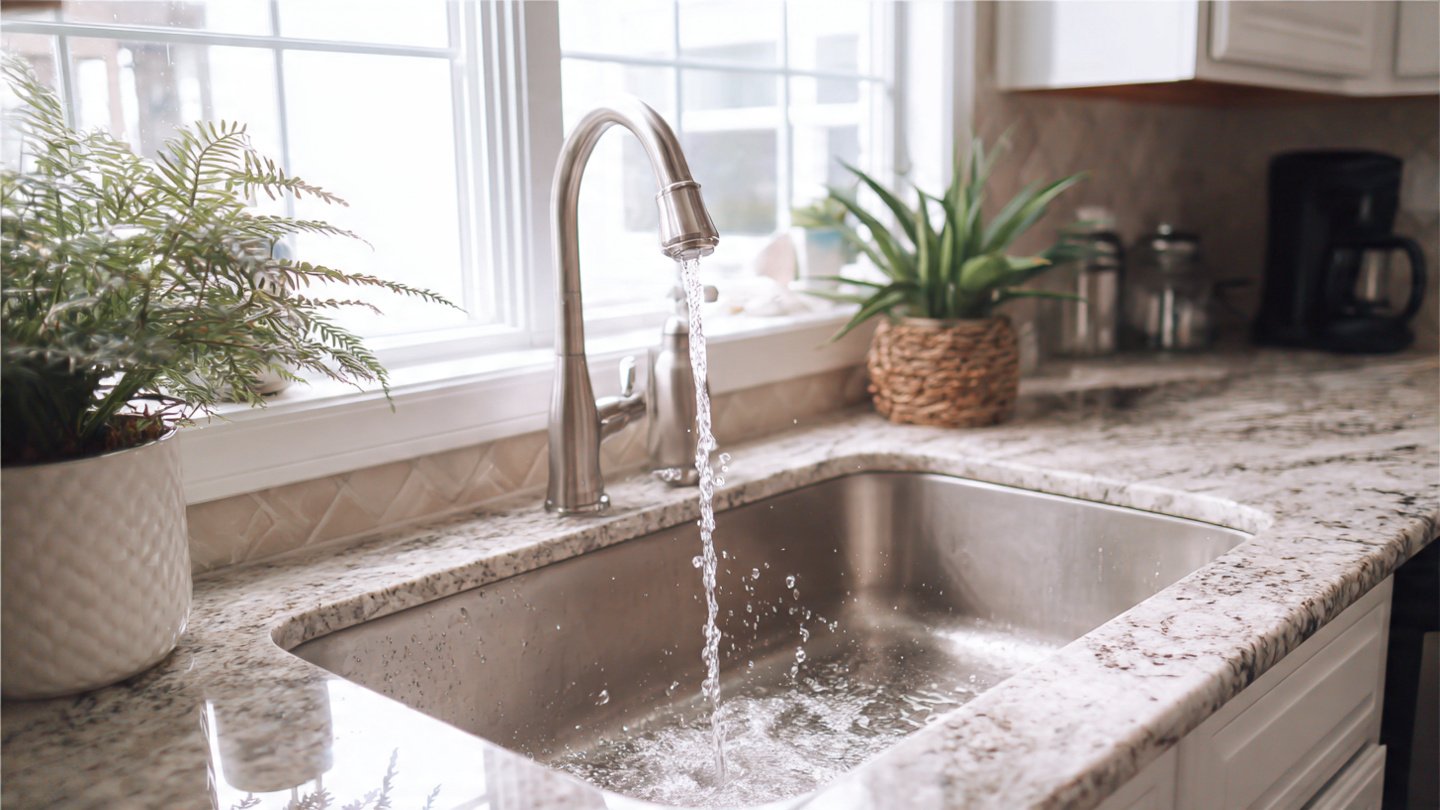
The kitchen sink is often the most used area in the kitchen. It’s where we wash our hands, clean dishes, and prepare meals. Therefore, it’s essential to keep it not just clean but sparkling. A dirty sink can harbor bacteria and give your kitchen an uninviting appearance. Establishing a simple cleaning routine can help keep your sink looking pristine and extend the time between deep cleanings. Here’s a straightforward routine to achieve that.
Daily Maintenance
Like any routine, consistency is key. Daily maintenance doesn’t require much time and can significantly improve the overall cleanliness of your kitchen sink.
- Rinse and Wipe: After using your sink, rinse it with hot water to remove food particles and residues. Then, take a soft cloth or sponge and quickly wipe down the surface. A simple wipe with a dish detergent solution can work wonders by eliminating any grease or grime.
- Scrub The Drain: Food particles can accumulate in the drain area. Use an old toothbrush or a dedicated scrubbing brush to clean around the drain and lift out any debris.
- Dry After Use: After rinsing and cleaning, dry the sink with a clean cloth. This prevents water spots and stains from forming.
- Use Lemon or Vinegar: For a fresh scent, toss half a lemon or pour some vinegar down the drain. It helps in deodorizing and cleaning.
Weekly Deep Clean
A weekly deep clean helps remove stubborn stains, buildup, and bacteria, keeping your sink in pristine condition.
- Use Baking Soda: Sprinkle baking soda over the entire sink surface. It acts as a gentle abrasive that can help lift stains without scratching the surface.
- Scrub with a Soft Brush: Use a soft brush or sponge to scrub the entire sink, focusing on any stains or areas where grime tends to build up. Pay special attention to the faucet and handles.
- Rinse Thoroughly: After scrubbing, rinse the sink completely to ensure no cleaning product remains. Leaving detergent behind can create unwanted residues.
- Disinfecting Wipes: Use disinfecting wipes or a disinfectant spray on the sink’s handles and faucet to kill bacteria and ensure everything is hygienic.
Monthly Maintenance
While weekly cleanings help maintain your sink, a thorough monthly deep clean can enhance its longevity.
- Check for Clogs: Inspect the drain for any clogs or buildup of hair, grease, or food particles. If necessary, use a plunger or drain snake to clear any blockage.
- Deep Clean Fixtures: Remove faucet aerators and soak them in vinegar to dissolve mineral deposits. This will keep your fixtures functioning optimally.
- Polish Stainless Steel: If your sink is stainless steel, consider using a stainless steel cleaner or a homemade mixture of vinegar and olive oil to buff it to a shine.
Preventative Tips
Prevention is often easier than cure. Here are some preventative tips to keep your sink sparkling clean longer:
- Use a Sink Mat: Consider using a silicone sink mat. It protects the sink from scratches and absorbs water, reducing the chances of stains and mineral buildup.
- Avoid Harsh Chemicals: Stay away from strong chemicals that can damage your sink finish. Opt for homemade solutions whenever possible.
- Keep a Dish Rack Nearby: Placing a dish rack next to your sink can help minimize water buildup. Ensure dishes dry properly to reduce the likelihood of stains.
- Run Hot Water Regularly: Occasionally run hot water down the drain to help flush out any buildup and keep the plumbing clear.
Effective Cleaning Solutions
Sometimes store-bought cleaners can make your cleaning routine more efficient. Here are some effective solutions:
- Mild Dish Soap: Effective for everyday cleaning, use a solution of warm water mixed with dish soap.
- Vinegar: A natural disinfectant that can remove odors and stains. It’s safe for most sink materials.
- Baking Soda Paste: For tougher stains, create a paste using baking soda and water for extra scrubbing power.
- Commercial Cleaners: If you prefer store-bought products, look for those labeled safe for your sink material (e.g., stainless steel, porcelain).
Conclusion
Maintaining a sparkling clean kitchen sink doesn’t have to be a daunting task. By implementing a simple routine that involves daily maintenance, weekly deep cleans, and monthly checks, you can enjoy a pristine sink that not only looks great but is also hygienic. Regular upkeep can save you time and effort down the line, and a clean kitchen sink can significantly improve the overall appearance of your kitchen. Moreover, incorporating preventative measures can extend the time between deep cleans, ensuring your kitchen remains a welcoming place for family and friends.
FAQs
1. How often should I clean my kitchen sink?
You should do daily maintenance, a thorough cleaning once a week, and a deeper clean once a month. Regular upkeep will prevent buildup and stains.
2. Can I use bleach to clean my sink?
While bleach can disinfect, it can also be harsh on certain materials. Instead, consider using vinegar or baking soda for safer, effective cleaning.
3. What should I do if my sink has stubborn stains?
For stubborn stains, use a paste of baking soda and water. Let it sit for about 15-20 minutes, then scrub gently with a soft brush or sponge.
4. Is it safe to put lemon down the drain?
Yes, lemon is safe for most drains and acts as a natural deodorizer. It can help remove odors and leave a fresh scent.
5. How can I prevent my sink from getting clogged?
To prevent clogs, avoid putting food scraps down the drain, regularly run hot water through the sink, and consider using a drain strainer to catch debris.