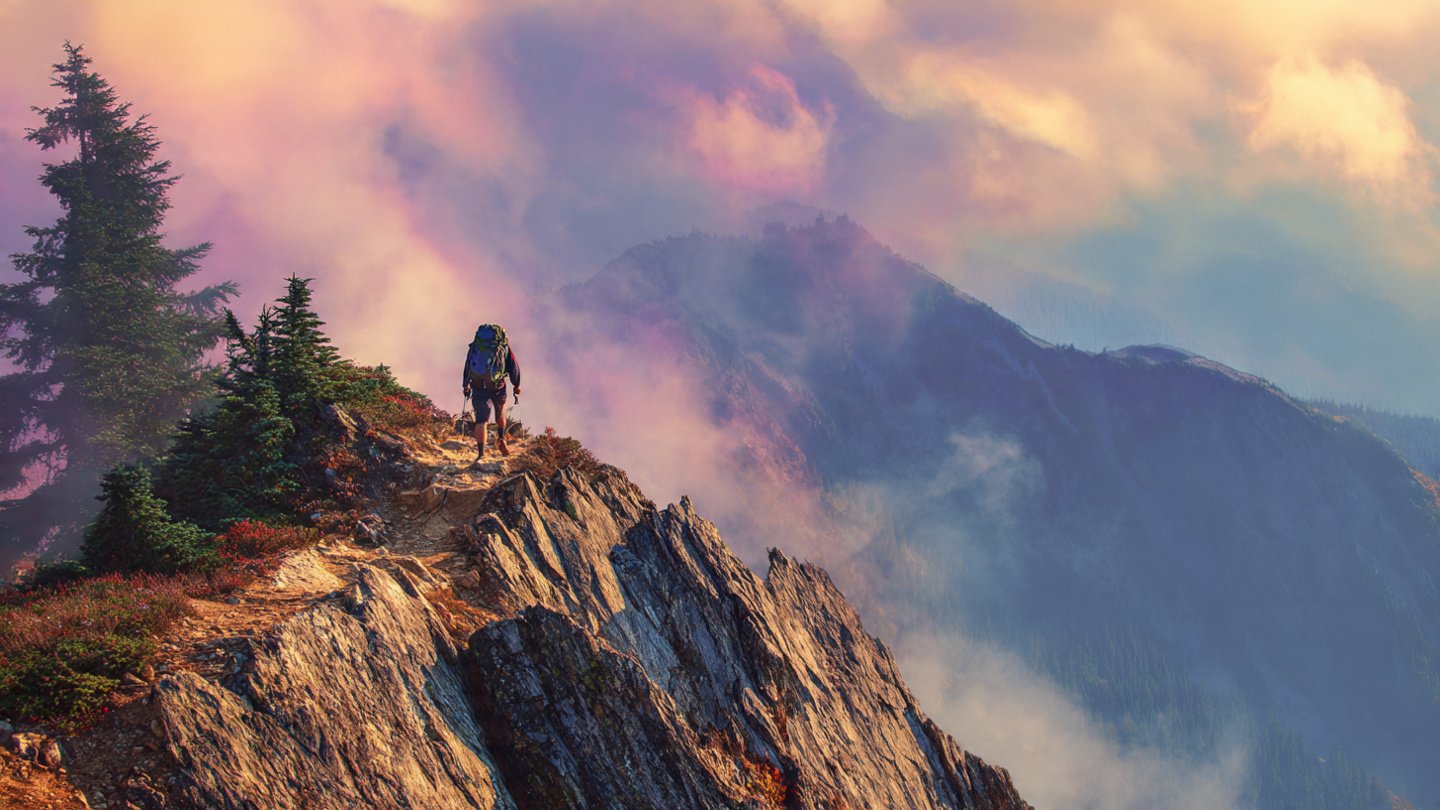
Climbing steep hills is a challenging yet exhilarating experience for outdoor enthusiasts, athletes, and nature lovers alike. However, many climbers encounter a common hurdle: overheating. This phenomenon can detract from the enjoyment of a climb and, in severe cases, pose serious health risks. Understanding the real causes of overheating in these situations is crucial for performance, safety, and overall enjoyment of the activity. This article will explore the physiological factors, environmental influences, and practical solutions to help climbers manage and prevent overheating.
Understanding the Physiology of Overheating
1. Body Temperature Regulation
The human body maintains a stable internal temperature through a process known as thermoregulation. When climbing, especially on steep terrain, the body generates additional heat due to increased metabolic activity. This can lead to a rise in core body temperature, prompting a series of physiological responses aimed at maintaining homeostasis.
2. Heat Production During Climbing
Climbing steep hills requires significant muscular effort. The energy expenditure involved results in the production of heat through metabolic processes. The more strenuous the activity, the more heat is generated. Factors such as fitness level, body composition, and climbing technique can significantly influence this heat production.
3. Sweat and Evaporative Cooling
Sweating is the body’s primary mechanism for cooling down. As sweat evaporates from the skin, it dissipates heat. However, various factors can affect the efficiency of this cooling method:
- Humidity: High humidity levels can inhibit evaporation, making it difficult for sweat to cool the body effectively.
- Clothing: Non-breathable or heavy clothing can trap heat and moisture, further amplifying overheating.
Environmental Influences
1. Temperature and Humidity
One of the most significant external factors affecting overheating is the surrounding environment. Climbing in hot, humid conditions can exacerbate the body’s temperature regulation challenge. High temperatures increase the demand for cooling, while high humidity slows down sweat evaporation, creating a dual burden.
2. Sun Exposure
Direct exposure to sunlight can increase skin temperature and, consequently, the overall body temperature. Climbers are often in environments with limited shade, making sun protection paramount. The heat from the sun can significantly raise the internal temperature, necessitating greater efforts from the body to cool down.
3. Altitude
Climbing at high altitudes can introduce complexities in temperature regulation. Although altitude often means cooler air temperatures, the reduced oxygen availability can increase metabolic rates as the body compensates for decreased oxygen. This can result in increased heat production, while the cool air may not aid in evaporation as effectively due to lower humidity levels.
Physical Condition and Overheating
1. Fitness Level
A climber’s physical condition plays a crucial role in how efficiently the body regulates temperature during exertion. Generally, well-conditioned athletes tend to have more efficient sweat responses and can acclimatize to heat better than untrained individuals. However, even well-trained athletes can succumb to overheating if proper precautions are not taken.
2. Acclimatization
Acclimatization refers to the body’s natural ability to adjust to new environmental conditions, including heat. Individuals who frequently climb in hot environments may develop enhanced sweat rates and improved cardiovascular efficiency, which can help mitigate overheating. However, new climbers or those not acclimatized should be particularly cautious about overheating risks.
3. Hydration Status
Dehydration can significantly impair the body’s ability to regulate heat. When fluid levels are low, sweat production decreases, thereby reducing evaporative cooling. Climbers must prioritize hydration before, during, and after the climb. Signs of dehydration can include dizziness, fatigue, and reduced performance, which can all contribute to overheating.
Climbing Technique
1. Pacing
Pacing is essential for managing body temperature during climbs. Climbers who accelerate without allowing for recovery can generate excessive heat. Maintaining a steady pace allows the body to better manage energy expenditure and heat production.
2. Rest Breaks
Incorporating regular rest breaks during climbs is an effective strategy for preventing overheating. Using these breaks to hydrate and allow the body some time to cool off can be invaluable. It is often in the moments of strenuous climbing that individuals forget to rest, resulting in an accumulation of heat.
3. Route Selection
Choosing routes that offer some shade or are less demanding can aid climbers in managing body temperature. Avoiding the hottest parts of the day for climbs can also mitigate overheating risks. Climbers should familiarize themselves with the terrain and conditions before embarking on their adventures.
Clothing and Gear Choices
1. Breathable Fabrics
The choice of clothing plays a pivotal role in temperature regulation. Wearing moisture-wicking and breathable fabrics can enhance sweat evaporation and improve comfort. Lightweight clothing that allows air to circulate and facilitate cooling is ideal; materials such as polyester or merino wool are commonly recommended.
2. Layering
Layering can provide flexibility in managing body temperature. Climbers should dress in light layers that can be removed as needed to help regulate heat during climbs. This is particularly important for longer climbs where climatic conditions can change.
3. Sun Protection Gear
Using sun protective clothing, wide-brimmed hats, and sunscreen can safeguard climbers from excessive sun exposure, which can contribute to overheating. Yet, it’s crucial to select protective gear that provides coverage without hindering breathability.
Health Considerations
1. Heat Exhaustion
Heat exhaustion occurs when the body becomes unable to regulate its temperature effectively, leading to symptoms like heavy sweating, weakness, dizziness, and nausea. Recognizing early signs of overheating is critical. Should a climber experience heat exhaustion, immediate rest in a cool place and hydration are essential steps.
2. Heat Stroke
Heat stroke is a severe heat-related illness and can occur when body temperature rises above 104°F (40°C). It requires immediate medical attention, as it can be life-threatening. Symptoms can include confusion, seizures, loss of consciousness, and a complete halt in sweating. Climbers should be educated about these symptoms and the urgency of responding promptly.
3. Pre-existing Medical Conditions
Individuals with pre-existing medical conditions, such as heart disease or those on certain medications, may be more susceptible to overheating during climbs. Consulting with a healthcare professional prior to engaging in steep climbs is advisable for assessing personal risks.
Preventative Measures
1. Hydration and Electrolytes
Maintaining hydration is vital, but it’s also critical to replenish electrolytes lost through sweat. Sports drinks or electrolyte tablets can be effective in preventing dehydration and helping with muscle function, thereby supporting a climber’s endurance.
2. Planning and Timing
Smart planning is essential to avoid overheating. Climbers should consider starting early in the morning or later in the day when temperatures are cooler. Additionally, checking weather forecasts and paying attention to temperature inversions at altitude can assist in planning climbs.
3. Monitoring Body Temperature
Utilizing wearable technology to monitor heart rate and body temperature can provide climbers with valuable data to help them recognize when they are approaching overheating. This can empower climbers to make timely decisions during their climbs.
Conclusion
Climbing steep hills can be an immensely rewarding activity, but it requires an understanding of the risks associated with overheating. By addressing physiological factors, environmental influences, and practical strategies, climbers can enjoy their adventures with mindfulness toward body temperature regulation. Through hydration, pacing, clothing choices, and awareness of symptoms, climbers can mitigate the risks of overheating and focus on the beauty of the journey ahead. Enjoying the climb while prioritizing safety ensures that outdoor enthusiasts can continue to seek adventure amidst nature’s challenges.