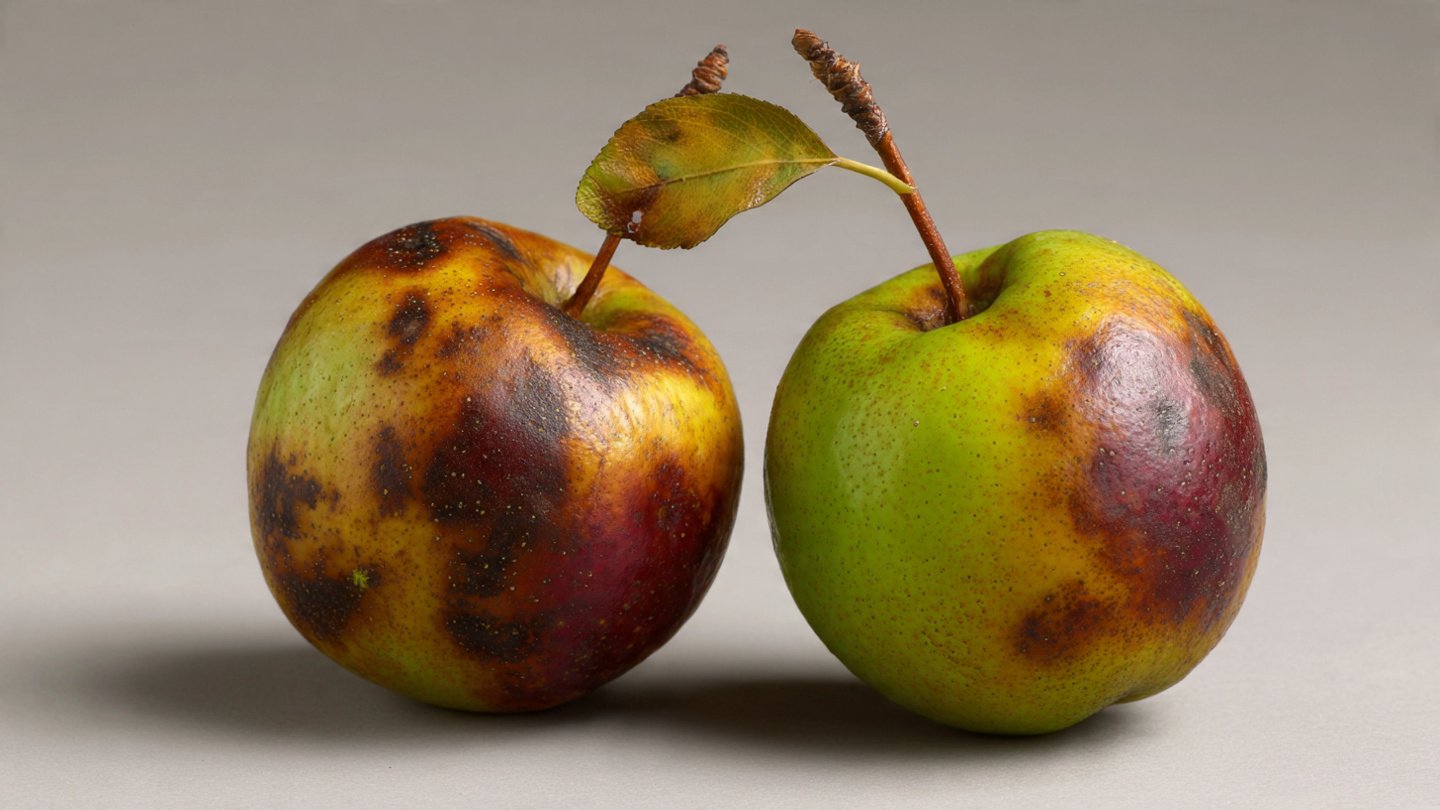
Fruits are an essential part of a balanced diet, providing vital nutrients, vitamins, and antioxidants. However, sometimes they develop unsightly brown patches on their skin, which can be alarming for consumers. These blemishes can affect the aesthetic appeal of fruits and even lead to questions about their edibility and nutritional value. Understanding the causes of these brown patches can help consumers make informed decisions about their fruit purchases and consumption. This article delves into the various factors contributing to the development of brown patches on fruits.
What Causes Brown Patches on Fruits?
Brown patches on fruit can result from a myriad of factors spanning physiological, environmental, and biological influences. Let’s explore these causes in detail.
1. Physiological Causes
a. Ripening Process
As fruits ripen, their biological processes lead to changes in skin color and texture. Ethylene gas, produced during ripening, plays a crucial role in this process. However, excess ethylene or an irregular ripening process can cause localized breakdown of tissues. This disruption often manifests as brown patches.
b. Bruising
Physical stress from handling, packaging, or transportation can bruise fruits, leading to underlying flesh damage. Bruised areas may not turn entirely brown immediately, but over time, these spots develop brown patches due to oxidation. Apples and pears are particularly susceptible to bruising, causing them to show these blemishes shortly after being handled.
2. Environmental Factors
a. Temperature Fluctuations
Fruits are sensitive to temperature variations. When fruits are stored or transported in conditions that deviate from optimal temperature ranges, it can lead to uneven ripening or damage to the fruit’s tissues. For example, chilling injury can occur in tropical fruits like bananas when exposed to temperatures below 50°F (10°C). This results in brown patches and a mushy texture.
b. Humidity Levels
High humidity can lead to fungal infections, while low humidity can cause dehydration. Both extremes can create an environment conducive to developing brown patches. For instance, prolonged exposure to high humidity can encourage the growth of mold and decay, while low humidity may cause fruits to shrivel and develop blemishes.
3. Biological Factors
a. Fungal Infections
Fungi such as Botrytis cinerea (gray mold) can cause brown patches on fruits. This condition is particularly prevalent in berries, grapes, and tomatoes. The spores may spread rapidly under humid conditions, leading to significant damage. Brown patches may emerge from checkered, watery lesions that expand as the infection progresses.
b. Bacterial Blight
Bacterial infections can also lead to browning. For example, the bacterial spot on tomatoes, caused by Xanthomonas bacteria, results in dark brown lesions that can cause significant fruit loss. Bacterial blight typically occurs in wet conditions, where bacteria can proliferate on the fruit’s surface.
4. Chemical Factors
a. Chemical Burns
Exposure to certain chemicals, such as pesticides or fertilizers, can lead to chemical burns, resulting in brown patches. If fruits are sprayed with excessive chemicals or if they come into contact with contaminants during processing, they may develop unsightly blemishes.
b. Ethylene Sensitivity
Some fruits are more sensitive to ethylene than others. When stored alongside fruits that produce high levels of ethylene, sensitive varieties may experience bruising or browning. For instance, if avocados are stored with bananas, they may ripen too quickly, leading to brown spots.
5. Genetic Factors
Some fruit varieties are predisposed to developing brown patches due to genetic factors. Breeds that are less resistant to disease or have thinner skin may show discoloration more readily than hardier counterparts. For example, some heirloom tomato varieties are more susceptible to blemishes than commercial hybrids specifically bred for resistance.
6. Harvesting and Post-Harvest Handling
a. Harvesting Techniques
Improper harvesting techniques can lead to excessive bruising or mechanical damage. If fruits are not picked carefully, they can sustain injuries that lead to brown patches upon ripening. It’s crucial for harvesters to follow best practices to minimize physical stress on the fruits.
b. Storage Practices
After harvesting, fruits should be stored properly to maintain freshness and prevent blemishing. Fruits stored in overcrowded conditions may experience pressure from neighboring fruits, leading to bruising and browning. Proper ventilation and temperature control are essential to preserving fruit quality.
Identifying Affected Fruits
When shopping for fruits, it’s essential to identify those that exhibit brown patches. While some discoloration may be superficial, other instances may indicate serious spoilage or disease.
Assessing the Damage
-
Superficial vs. Deep Browning: Light brown patches that are dry and firm might indicate superficial bruising, while dark, moistened areas could suggest decay or serious bacterial or fungal infections.
-
Texture: Squeeze the fruit gently. If a brown-patched fruit feels mushy or has an off-putting texture, it’s best to avoid purchasing it.
-
Smell: Fruits with a sour or unusual smell likely indicate spoilage. Fresh fruits typically have a pleasant, sweet aroma, while spoiled fruits may emit unpleasant odors.
How to Prevent Brown Patches on Fruits
To minimize the occurrence of brown patches on fruits, consumers and producers can follow specific guidelines.
1. For Consumers
a. Proper Storage
Store fruits in a cool, dry place, away from direct sunlight. Refrigeration can help prolong the freshness of many fruits. However, avoid refrigerating ethylene-sensitive fruits unless absolutely necessary.
b. Gentle Handling
Handle fruits carefully to prevent bruising. When transporting fruits, use padded containers and avoid overcrowding them, enabling better airflow.
2. For Producers
a. Research and Development
Producers should invest in research to develop more resilient fruit varieties that are resistant to pests, diseases, and environmental stressors.
b. Best Agricultural Practices
Implementing integrated pest management (IPM) strategies can help control diseases while minimizing the use of harmful chemicals.
Consumer Education
Increasing consumer awareness about the factors leading to brown patches on fruits is crucial. Educating shoppers on identifying bruising and superficial blemishes versus underlying spoilage can help reduce food waste.
1. Labeling and Transparency
Producers can include labels detailing the optimal storage conditions for fruits and any active measures taken to prevent blemishing. Transparency breeds trust and encourages consumers to make informed choices.
2. Culinary Uses for Browned Fruits
Rather than discarding fruits with superficial brown patches, consumers can consider creative culinary uses. For example, overripe bananas can be used in baking, smoothies, or pancakes. Utilizing these fruits reduces food wastage and promotes sustainability.
Conclusion
Understanding why fruits develop unsightly brown patches is essential for consumers, farmers, and the food industry. Factors ranging from physiological changes during ripening to environmental stressors, biological infections, and chemical processes all contribute to this issue. By adopting proper handling and storage practices and educating consumers about the nuances of fruit quality, we can minimize the occurrence of brown patches and reduce food waste. Ultimately, fostering a better understanding of these processes enhances our appreciation of fruits as a vital component of our diet, encouraging a healthier lifestyle.