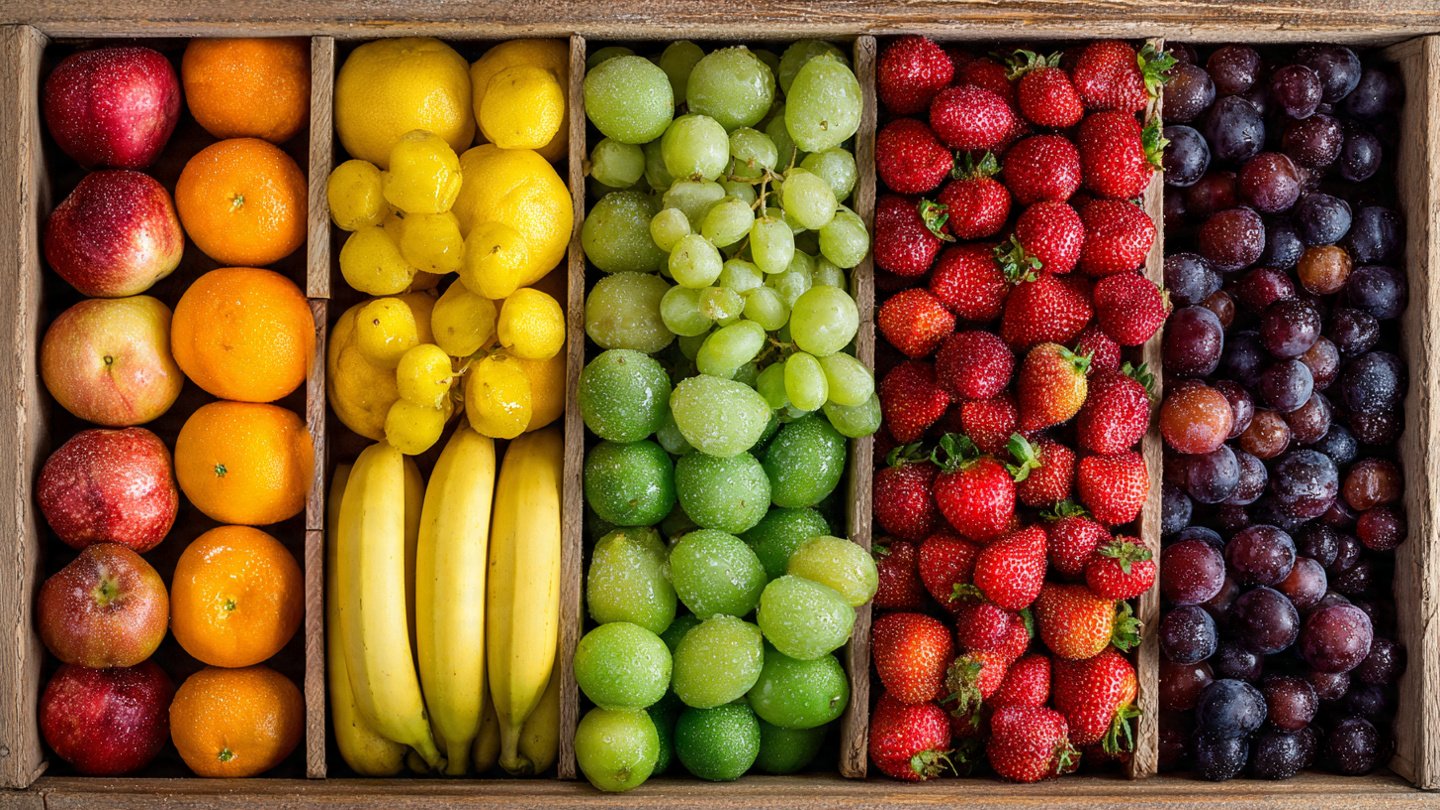
Fruits are a universal symbol of health, vitality, and indulgence. Whether consumed as a quick snack, blended into a smoothie, or presented as part of a gourmet dish, fruits are a delightful component of our diets. However, one of the most frustrating challenges many of us face is keeping fruits fresh for as long as possible. Inevitably, we find ourselves discarding sad, wilting pieces of fruit that have overstayed their welcome. Fortunately, there is a simple yet effective solution that can maximize the freshness of your fruits: storage swaps. This article will delve into various strategies for storing fruits to ensure they remain fresh and flavorful for as long as possible.
Understanding the Importance of Fresh Fruits
Fresh fruits are not only delicious but also packed with vitamins, minerals, and antioxidants crucial for good health. They offer essential nutrients that help maintain bodily functions, boost immunity, and enhance overall well-being. However, the nutritional benefits diminish quickly if fruits are not consumed in a timely manner. Hence, finding ways to prolong their freshness is essential not only for enjoyment but also for maintaining their health benefits.
The Science Behind Fruit Ripening and Spoilage
Before delving into storage methods, it’s essential to understand what causes fruits to ripen and eventually spoil. Fruits emit ethylene gas, a natural plant hormone that accelerates ripening. Some fruits are “ethylene producers,” while others are “ethylene-sensitive.” For instance, bananas, apples, and avocados are known to produce significant amounts of ethylene, which can lead to the quicker ripening of nearby fruits. Conversely, berries and grapes are sensitive to ethylene, and exposure can lead to premature spoilage.
Basic Principles of Fruit Storage
Before swapping out storage methods, it’s vital to know some basic principles of fruit storage:
-
Keep Ethylene Producers and Sensitive Fruits Separate: To extend the freshness of sensitive fruits, store them away from ethylene-producing fruits.
-
Cool, Dry, and Dark: Most fruits thrive in a cool, dry place, away from direct sunlight.
-
Handle with Care: Bruising can accelerate ripening and spoilage. Handle fruits gently to preserve their integrity.
-
Wash Before Eating, Not Storing: Washing fruits before storage can expose them to moisture, leading to mold. Instead, wash just before consumption.
Storage Swaps for Optimal Freshness
Now that we’ve laid the groundwork, let’s explore specific storage swaps for various fruit varieties that can keep them fresh for longer.
1. Apples and Bananas
Storage Method: Instead of placing apples and bananas together in a fruit bowl, consider storing them separately. Bananas should be kept at room temperature away from other fruits to prevent them from ripening too quickly. Store apples in the refrigerator to maintain their crispness.
Why It Works: Keeping bananas away from apples prevents the ethylene gas emitted by bananas from hastening the apples’ spoilage. When stored in the fridge, apples can last several weeks, maintaining their crunchiness and flavor.
2. Berries
Storage Method: Rather than washing berries right after purchase and placing them in the fridge, keep them dry and store them in their original packaging or a breathable container lined with paper towels.
Why It Works: Moisture is the enemy of berries; it promotes mold growth. By keeping them dry and with good airflow, you can extend their shelf life significantly.
3. Citrus Fruits
Storage Method: Instead of keeping all citrus fruits like oranges, lemons, and limes together in a bowl, consider storing them in the refrigerator crisper drawer for optimal freshness.
Why It Works: Refrigeration slows down the ripening process. Citrus fruits can last longer in the cooler environment, retaining their juiciness and flavor.
4. Avocados
Storage Method: If you have unripe avocados, keep them at room temperature. Once they are ripe, transfer them to the refrigerator and squeeze some lemon or lime juice on top to prevent browning.
Why It Works: Keeping unripe avocados at room temperature allows them to ripen evenly. Once ripe, the refrigerator slows down the spoiling process, and the citric acid helps keep them fresher for longer.
5. Grapes
Storage Method: Instead of washing grapes and placing them in a sealed container, store them dry in a breathable container, ideally with some moisture-absorbing material like a paper towel.
Why It Works: Moisture leads to mold growth. By avoiding washing until you are ready to consume, you help maintain the freshness of the grapes.
6. Pineapple
Storage Method: Rather than cutting up a pineapple and storing it in a sealed container, keep the whole pineapple at room temperature until it’s ripe. Once cut, however, it should be refrigerated in an airtight container.
Why It Works: A whole pineapple continues to ripen at room temperature, enhancing its sweetness and flavor. Once cut, it needs to be kept cool to prevent spoilage.
7. Peaches and Nectarines
Storage Method: Instead of refrigerating these fruits right away, let them ripen at room temperature away from sunlight. Once ripe, they can be stored in the fridge.
Why It Works: Like many other fruits, peaches and nectarines require room temperature to fully develop their flavors. After they’ve ripened, refrigeration will help extend their viability.
Additional Tips for Maximum Freshness
-
Use Produce Bags: If you’re concerned about airflow, use perforated produce bags, which allow for ventilation while preventing moisture build-up.
-
Keep the Fridge Organized: Store fruits in different drawers based on their needs. Apples in one drawer, berries in another, and so forth, help maintain optimal conditions.
-
Remove Spoiled Fruits Immediately: One rotten fruit can cause an entire batch to spoil. Regularly check your stored fruits and remove any that show signs of decay.
-
Monitor Temperature and Humidity: Keeping your fridge at optimal temperatures (around 36°F for fruits) with controlled humidity can significantly enhance the shelf life of your produce.
-
Buy Local and Seasonal: Seasonal fruits are generally fresher and last longer. Moreover, sourcing from local farms reduces transit time, meaning the fruits you buy are likely to be at their peak.
Conclusion
Implementing simple storage swaps can dramatically enhance the shelf life of your favorite fruits, ensuring that each bite is as fresh and flavorful as possible. By being mindful of how different fruits interact with each other and understanding their storage needs, you can minimize waste and elevate your enjoyment of these delightful natural offerings. Fresh fruit is not just a treat—it’s a cornerstone of a healthy lifestyle that deserves to be celebrated. Happy storing, and may your fruits remain vibrant and delicious for optimal enjoyment!