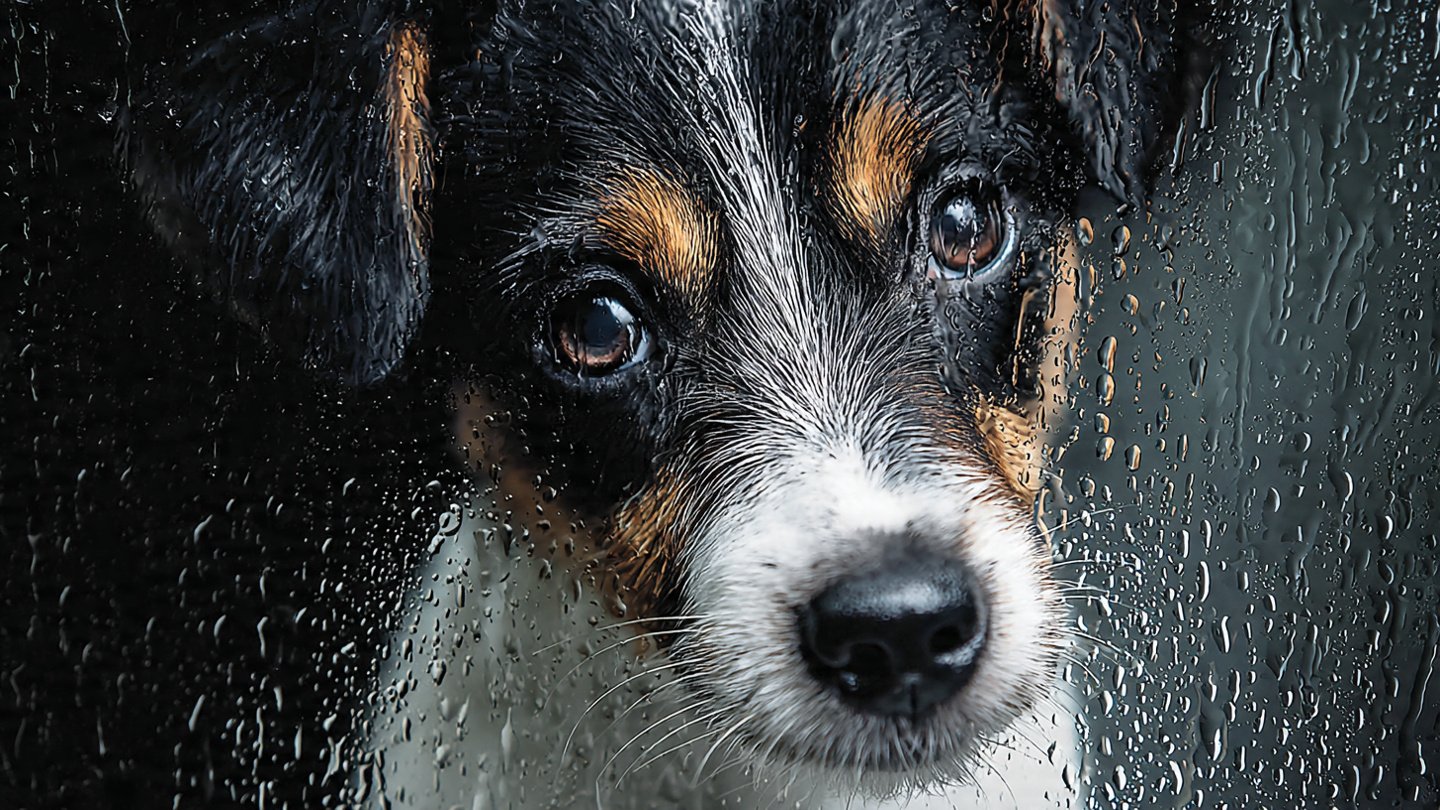
Pets, particularly dogs and cats, have a remarkable ability to sense changes in weather patterns, often alerting their owners to impending storms or rain long before any human can detect a change in the atmosphere. This ability can be attributed to a combination of heightened senses and instinctual behaviors that have evolved over thousands of years. In this article, we will explore how pets sense rain, the science behind these abilities, and what this means for pet owners.
The Biology of Animal Senses
To understand how pets can predict rain, it’s essential to first grasp the heightened senses many animals possess. For instance, dogs and cats have a vastly superior sense of smell compared to humans, which can be up to 10,000 to 100,000 times more sensitive. This acute olfactory ability allows them to detect pheromones, weather changes, and even the emotional states of humans.
Additionally, pets have developed specialized instincts over time. Many species, including dogs and cats, can pick up on subtle environmental changes, such as atmospheric pressure, humidity, and temperature, which often precede rainstorms.
Changes in Atmospheric Pressure
One primary change that animals can sense is a drop in atmospheric pressure. Before a rainstorm, the pressure typically decreases as a low-pressure system approaches. Pets can feel this change in pressure through their ears, which have specialized structures that can detect even the slightest shifts. This sensitivity allows them to act in response to what they perceive as a change in the environment.
The Role of Smell
As rain approaches, the scent of the earth changes, often referred to as “petrichor.” This distinct smell arises from oils released by plants during dry periods, which are then dispersed by rain. Animals, especially dogs, are incredibly adept at picking up these scent changes, often indicating to their owners that rain is imminent. The combination of pressure changes and shifted scents creates a powerful early warning system.
Increased Humidity
Animals can also detect higher humidity levels that typically occur before and during rain. Humidity affects the way scents travel through the air, and pets may be able to sense the increased moisture in their environment. Dogs often exhibit changes in behavior, such as restlessness or anxiety, in response to rising humidity levels.
Behavioral Changes in Pets
When pets sense rain approaching, their behaviors can change in various ways. Understanding these signs can offer insights into what your pet is experiencing and facilitate better communication between you and your furry friend.
Restlessness and Anxiety
Many dogs, in particular, exhibit signs of restlessness as storms approach. They may pace, whine, or seek comfort from their owners as a response to the environmental changes they sense. This behavior can be attributed to the anxiety induced by the combination of changing atmospheric pressure, noise from thunder, and the scent of rain.
Seeking Shelter
Cats and dogs alike might seek out more enclosed spaces or places to hide when they sense impending rain. In the wild, this instinctual behavior would help them avoid potential dangers associated with stormy weather. For domesticated pets, this behavior can manifest as a desire to curl up in a specific spot or hide beneath furniture.
Other Sensory Indicators
Pets may also respond to other sensory indicators associated with rain. For instance, the sound of distant thunder, wind gusts, or even the sight of darkening skies can elicit a response from dogs. Observant owners may notice their pets acting differently in the moments before rain begins, often signaling the need for preventative measures—like taking a walk or moving outside before the rain hits.
Communication Between Pets and Owners
Observing your pet’s behavior can help provide valuable insights into their perceptions of weather changes. Improved communication between pets and their owners can lead to better care during stormy weather.
Understanding Body Language
By learning to interpret your pet’s body language, you can better respond to their needs. Signs of anxiety, such as cowering, hiding, or excessive barking, indicate that your pet may not handle the upcoming rain well. Recognizing these behaviors lets you reassure them, creating a calming environment that helps mitigate their anxiety.
Preemptive Action
Once you understand how your pet signals the onset of rain, you can take preemptive action. For example, if your dog tends to become anxious, you might consider engaging in a fun play session or providing a comforting environment with toys and treats before the storm arrives.
Unique Species-Specific Reactions
Different pet species exhibit varied responses to changes in weather, influenced by their individual evolutionary backgrounds and temperaments.
Dogs
As mentioned, dogs are particularly sensitive to rain and can sense atmospheric changes even hours before they happen. They may also be more attuned to the emotional states of their owners, responding to feelings of anxiety or stress that occur during stormy weather.
Cats
Cats, while less overt in their reactions, can also exhibit behavioral changes. They may choose to hide or become less active when a storm approaches. Interestingly, some cats seem indifferent to rain, possibly reflecting the varied experiences and terrains of their ancestral lineages.
Other Pets
Even smaller pets, like rabbits and hamsters, show changes in behavior with weather shifts. While their responses may be subtler, they mirror much of what pet owners observe in dogs and cats, as these animals respond to changes in pressure and humidity, albeit in less dramatic fashions.
The Impact of Climate Change on Animal Behavior
As climate change continues to alter weather patterns globally, it’s essential to consider how this affects our pets. Animals may increasingly find themselves in environments where weather patterns are more unpredictable.
Adapting to Changes
As weather becomes more erratic, pets will likely adapt their behaviors accordingly. For example, some dogs may learn to associate various scents or changes in temperature with impending rain, refining their natural instincts.
Increased Stress Levels
However, an increase in severe weather events can lead to heightened stress and anxiety levels in pets, particularly if they experience frequent storms. Owners may need to offer additional support to their pets, from providing safe spaces to consulting with veterinarians about anxiety management techniques.
Conclusion
Pets’ ability to sense imminent rain and changes in weather patterns is a fascinating aspect of animal behavior that speaks to their incredible sensory perceptions and instincts. By tuning into these behaviors, pet owners can improve their companionship experiences and ensure their pets feel safe and secure during storms.
As our climate continues to shift, understanding our pets’ instinctive reactions will become increasingly important. This awareness not only enhances our ability to bond with our pets but also allows us to act as compassionate guardians attuned to their needs in times of environmental change. By recognizing and respecting the unique ways pets interpret their surroundings, we can create a harmonious living environment that acknowledges the extraordinary connection we share with our furry friends.